Call for Proposals Open for New UC San Diego Climate Action Initiative
Faculty and students interested in entrepreneurship addressing climate change now have access to grants of up to $50,000 from UC San Diego through a new funding program.
Faculty and students interested in entrepreneurship addressing climate change now have access to grants of up to $50,000 from UC San Diego through a new funding program.
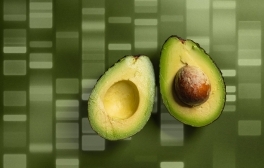
Researchers turned to a descendant variety of Hass—the world's most popular avocado—to explore the fruit’s evolutionary history through its genome.
A "living material," made of a natural polymer combined with genetically engineered bacteria, could offer a sustainable and eco-friendly solution to clean pollutants from water.
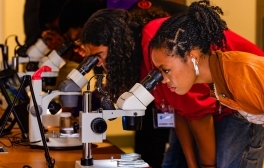
For the second year, the Bridge Builders Foundation visited Scripps Institution of Oceanography at UC San Diego as part of the foundation’s marine science program for high school students.
Anne O’Donnell joins the Science Research Park project as Senior Executive Director for Corporate Strategy and Engagement.
Immunologists have uncovered new approaches to enhance protection from tumors and infections. They have revealed new insights into the metabolism of specialized cells of the immune system known as tissue-resident CD8 T cells and how they could be enhanced as immune defense weapons against tumors.
Keep up with all the latest from UC San Diego. Subscribe to the newsletter today.