The Acute Problem of Chronic Disease
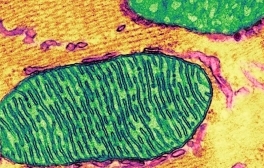
UC San Diego physician-scientist explains why all chronic diseases are linked by the underlying failure of cells and the body to heal completely.
UC San Diego physician-scientist explains why all chronic diseases are linked by the underlying failure of cells and the body to heal completely.
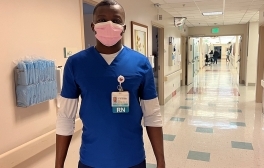
The New Graduate Nurse Transition to Practice Program at UC San Diego Health offers nurses with lifelong learning, training and other opportunities.
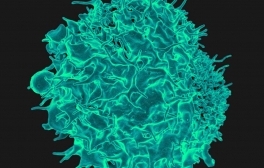
UC San Diego scientists find an auto-signaling mechanism driving the T cell anti-tumor response; findings may inspire new cancer therapeutics and biomarkers.
A collaboration between UC San Diego Health and 211 San Diego will help patients with transportation barriers get to follow up appointments.
UC San Diego Health is the first health system in the nation to pilot scanning health insurance card QR codes for easy patient check-in.
For 10 years, UC San Diego’s Center for Gender Equity and Health has been working to make the underrated and underreported issue of gender-based violence visible. A forum last week, brought together dozens of government agencies, nonprofits and community-led efforts across the state.
Keep up with all the latest from UC San Diego. Subscribe to the newsletter today.