Treating obese mice with catestatin (CST), a peptide naturally occurring in the body, showed significant improvement in glucose and insulin tolerance and reduced body weight, report University of California San Diego School of Medicine researchers.
Researchers at University of California San Diego School of Medicine found a significant number of children across four regions in the United States were determined to have fetal alcohol spectrum disorders (FASD). The new findings may represent more accurate prevalence estimates of FASD among the general population than prior research.
UC San Diego Health has been selected by Centers for Medicare & Medicaid Services (CMS) as one of 561 Accountable Care Organizations (ACOs), ensuring as many as 10.5 million Medicare beneficiaries across the United States have access to high-quality, coordinated care.
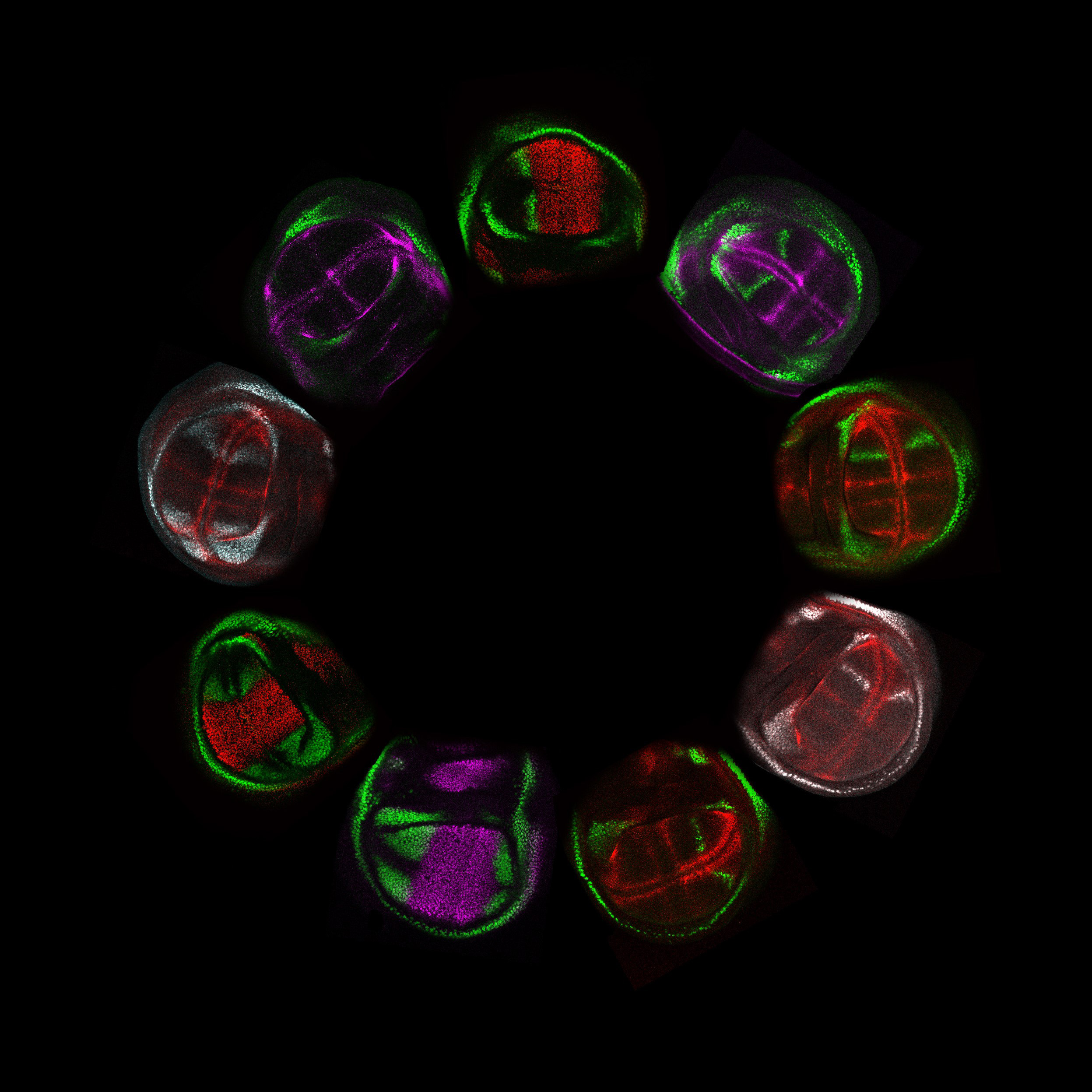
Employing CRISPR/Cas9 advancements, UC San Diego researchers are using new active genetics technology to reveal new fundamental mechanisms that control gene activity. The authors also provide experimental validation for using active genetics as an efficient means for targeted gene insertion, or “transgenesis,” and single-step replacement of genetic control elements.
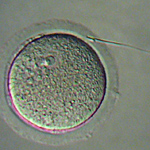
In approximately 15 percent of cases where couples are unable to conceive, the underlying cause of infertility is not known. Researchers at University of California San Diego School of Medicine and in the Division of Biological Sciences at UC San Diego have identified a protein in mice that must be present in eggs for them to complete normal development. Without the protein, called ZFP36L2, the eggs appear ordinary, but they cannot be fertilized by sperm.
Three years ago, the campus launched a pilot program to promote interdisciplinary research among undergraduate and graduate students and postdoctoral fellows. The idea was to partner them with faculty mentors from at least two disciplines and provide them with funds so they could conduct research with the potential to make a real impact on society.