Patients with glioblastoma, a type of malignant brain tumor, usually survive fewer than 15 months following diagnosis. Since there are no effective treatments for the deadly disease, University of California, San Diego researchers developed a new computational strategy to search for molecules that could be developed into glioblastoma drugs. In mouse models of human glioblastoma, one molecule they found shrank the average tumor size by half. The study is published October 30 by Oncotarget.
A new study has shown that changing ocean conditions have adversely impacted fish off California. The researchers compared data sets from the CalCOFI program and power plant cooling water intakes along the California coastline. The data show that fish abundance from both studies has declined sharply since 1970, with a 72 percent decline in overall larval fish abundance in the CalCOFI data set and a 78 percent decline in fishes from the PPI sampling.
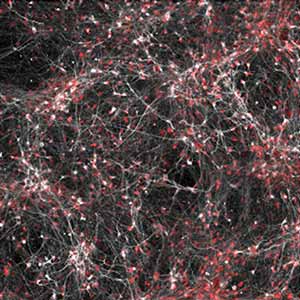
The brain cells of patients with bipolar disorder, a manic-depressive illness characterized by severe swings in mood, energy and ability to carry out daily tasks, are more sensitive to stimuli than other people’s brain cells, reports an international team of scientists headed by researchers at Salk Institute for Biological Studies and University of California, San Diego School of Medicine.
University of California climate and energy experts announced 10 scalable solutions for moving the world towards carbon neutrality, a practical framework that outlines both immediate and longer-term actions for staving off catastrophic climate change. The solutions were announced during the UC Summit on Carbon and Climate Neutrality that was held at UC San Diego Oct. 26-27.
Researchers at the American Gut Project, the world’s largest crowdsourced, crowdfunded science project, are celebrating a big milestone this week—in the past two years, they have raised more than $1 million from over 6,500 “citizen scientists” who have agreed to have their microbiomes sequenced.
You are only 10 percent human. Ninety percent of the cells that make up our bodies are actually bacteria, viruses, fungi and other microbes. And researchers are now finding that these unique microbial communities — called microbiomes — can greatly influence human and environmental health. The human gut microbiome alone has now been linked to allergies, inflammatory bowel disease, obesity and many other conditions.