Patients with glioblastoma, a type of malignant brain tumor, usually survive fewer than 15 months following diagnosis. Since there are no effective treatments for the deadly disease, University of California, San Diego researchers developed a new computational strategy to search for molecules that could be developed into glioblastoma drugs. In mouse models of human glioblastoma, one molecule they found shrank the average tumor size by half. The study is published October 30 by Oncotarget.
The brain cells of patients with bipolar disorder, a manic-depressive illness characterized by severe swings in mood, energy and ability to carry out daily tasks, are more sensitive to stimuli than other people’s brain cells, reports an international team of scientists headed by researchers at Salk Institute for Biological Studies and University of California, San Diego School of Medicine.
You are only 10 percent human. Ninety percent of the cells that make up our bodies are actually bacteria, viruses, fungi and other microbes. And researchers are now finding that these unique microbial communities — called microbiomes — can greatly influence human and environmental health. The human gut microbiome alone has now been linked to allergies, inflammatory bowel disease, obesity and many other conditions.
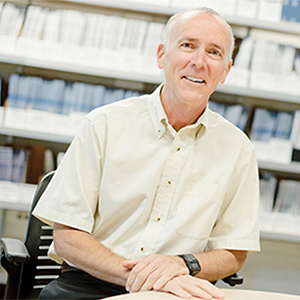
The University of California, San Diego today announced a $5 million gift from locally based medical device company ResMed, Corp. (RMD) to support sleep medicine research and care at the UC San Diego School of Medicine. The donation was made to the university in honor of ResMed’s founder and chairman of the board, Peter Farrell, M.D. ResMed is an international leader in the development of equipment to treat and manage sleep-disordered breathing and other respiratory conditions.
Bioengineers at the University of California, San Diego, have developed a method that cuts down by half the time needed to make high-tech flexible sensors for medical applications. The advance brings the sensors, which can be used to monitor vital signs and brain activity, one step closer to mass-market manufacturing.
The new fabrication process will allow bioengineers to broaden the reach of their research to more clinical settings. It also makes it possible to manufacture the sensors with a process similar to the printing press, said Todd Coleman, a bioengineering professor at the Jacobs School of Engineering at UC San Diego. Researchers describe their work in a recent issue of the journal Sensors.
People who have had an episode of major depression are at high risk for having another episode. Now, researchers at University of California, San Diego School of Medicine have found that the risk of recurrence is significantly lower for people with complete, rather than partial depressive symptom resolution.