Let’s Go Local
Wow—a tomato that actually tastes like a tomato. Imagine that. Now imagine that tomato in a salad, sandwich or compote at one of UC San Diego Health’s hospital cafés.
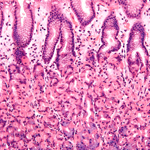
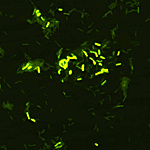
Wine, beer and yogurt are produced when microorganisms convert sugar into alcohol, gases or acids. But this process of fermentation—which is used by bacteria, fungi and other fast-growing cells to generate energy in the absence of oxygen—is a much less efficient way of generating energy for cells than aerobic respiration. So why do many organisms use this seemingly wasteful strategy to generate energy instead of aerobic respiration, even when oxygen is readily available?
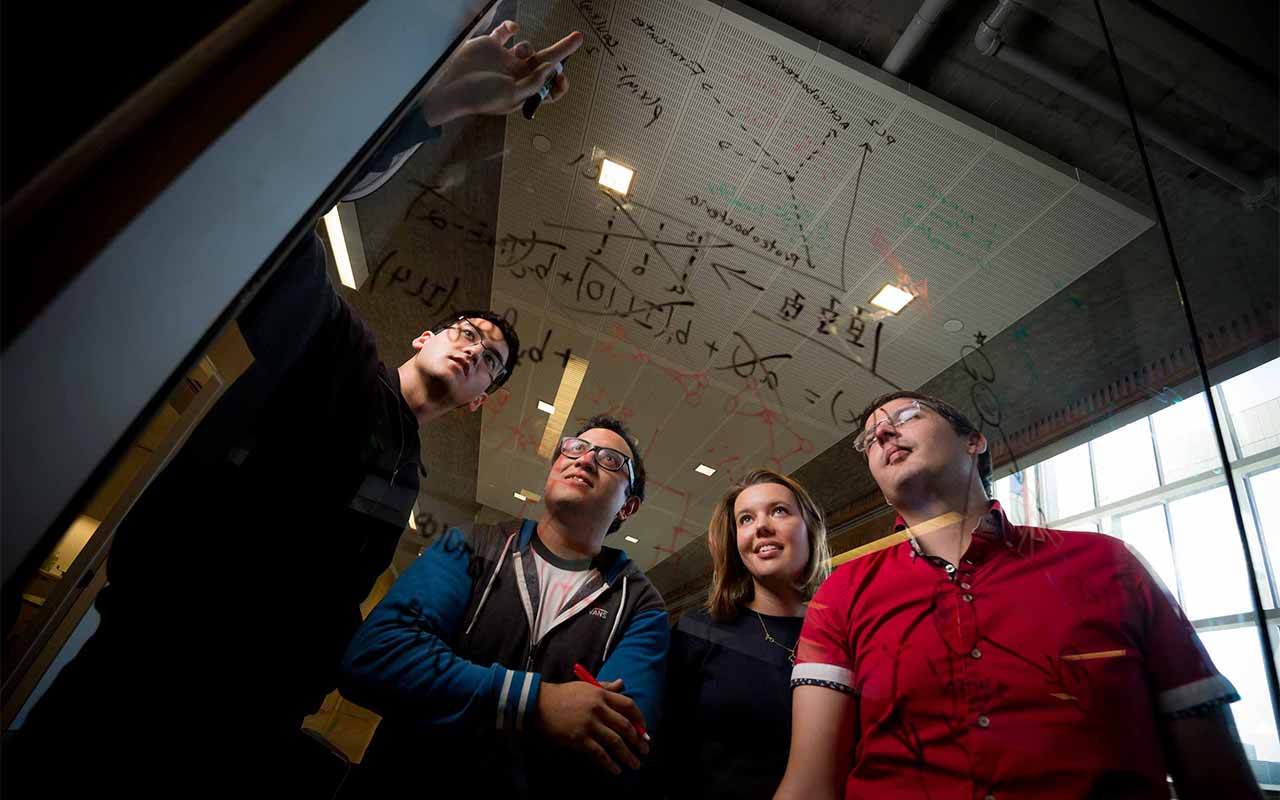
The past and future of the California Institute for Telecommunications and Information Technology (Calit2) will converge on Dec. 7, 2015 as the institutes commemorates 15 years of innovation and world-class research in fields such as telecommunications, digital health and virtual reality.
Many human gene variants have evolved specifically to protect older adults against neurodegenerative and cardiovascular diseases, thus preserving their contributions to society, report University of California, San Diego School of Medicine researchers in the November 30 issue of Proceedings of the National Academy of Sciences.
UC San Diego Launches CORE A set of best practices will guide Institutional Review Boards (IRBs) and researchers in the design and review of studies that use social media, self-tracking devices and other mobile technologies.to Foster Ethical Research Using Personal Health Data
Since 2007, UC San Diego’s Operation Santa has provided Christmas celebrations for 731 San Diego families who are facing financial hardship. Many of the families served by Operation Santa are led by single mothers as well as those who are victims of domestic violence, facing illness, experiencing the loss of a family member or struggling financially. Each year, Alpha Phi Omega encourages community members to nominate families in need and gives individuals and organizations the opportunity to participate as “adopters.” Operation Santa matches families with “adopters” who, after receiving the nominated family’s gift wish list, buy, wrap and deliver holiday presents to families by Dec. 24. As Operation Santa has grown over the years, Alpha Phi Omega has seen a rise in the number of families nominated to receive help during the holiday season; however, the number of nominated families continues to outpace adopters: the ratio of nomination applications to adoption applications is 4 to 1.
Keep up with all the latest from UC San Diego. Subscribe to the newsletter today.
You have been successfully subscribed to the UC San Diego Today Newsletter.