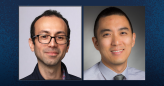
Antimicrobial Soap Additive Worsens Fatty Liver Disease in Mice
Triclosan, an antimicrobial found in many soaps and other household items, worsens fatty liver disease in mice fed a high-fat diet.
While respiratory issues continue to be the most common symptom of a COVID-19 infection, new research indicates the disease could also be associated with an increased tendency of the blood to clot, leading to a higher risk of death from COVID-19.
Researchers have identified the first key biological switch that sounds an alarm in plants when plant-eating animals attack. The mechanism will help unlock a trove of new strategies for improved plant health, from countering crop pest damage to engineering more robust global food webs.
Researchers at UC San Diego School of Medicine and Rady Children’s Institute for Genomic Medicine have been awarded a five-year, $8.3 million grant from the National Institutes of Health to investigate the causes of spina bifida, the most common structural defect of the central nervous system.
Computational Chemist Rommie Amaro, members of her lab win one of the most coveted awards in supercomputing for research related to COVID-19
What can the International Space Station teach us about mudslides here on Earth? UC San Diego engineers are trying to better understand the role gravity plays in mudslides. That is why in 18 months, they will launch an experiment to the ISS via SpaceX and NASA to study mudslides in micro gravity.
Keep up with all the latest from UC San Diego. Subscribe to the newsletter today.
You have been successfully subscribed to the UC San Diego Today Newsletter.