Coding with Colorful Cards: Kids Learn Arduino-based Code with Tinker the Robot
Meet Tinker the Robot. UC San Diego mechanical engineering alumnus (2007) Kay Yang created him to teach and inspire young children to play with robots.
Meet Tinker the Robot. UC San Diego mechanical engineering alumnus (2007) Kay Yang created him to teach and inspire young children to play with robots.
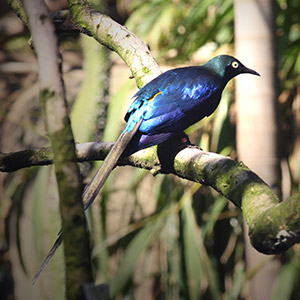
Inspired by the way iridescent bird feathers play with light, scientists have created thin films of material in a wide range of pure colors — from red to green — with hues determined by physical structure rather than pigments.
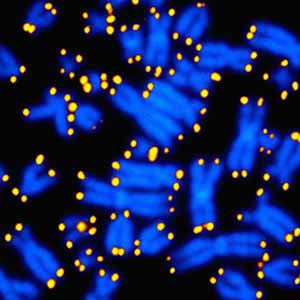
Therapies that specifically target mutations in a person’s cancer have been much-heralded in recent years, yet cancer cells often find a way around them. To address this, researchers at University of California, San Diego School of Medicine and Moores Cancer Center identified a promising combinatorial approach to treating glioblastomas, the most common form of primary brain cancer. The study published May 5 by Oncotarget.
Writing in the May 7 online issue of American Journal of Geriatric Psychiatry, researchers at University of California, San Diego School of Medicine and Veterans Affairs San Diego Healthcare System suggest that people with PTSD may also be at risk for accelerated aging or premature senescence.
An international research team that included physical oceanographers at Scripps Institution of Oceanography, UC San Diego, characterized for the first time the entire life cycle of internal ocean waves that can reach 500 meters (1,600 feet) in height before breaking.
Researchers at University of California, San Diego School of Medicine and Shiley Eye Institute have identified the molecular “glue” that builds the brain connections that keep visual images clear and still, even as objects or your eyes move. Using mouse models, the researchers demonstrate that image stabilization depends upon two proteins, Contactin-4 and amyloid precursor protein, binding during embryonic development.
Keep up with all the latest from UC San Diego. Subscribe to the newsletter today.