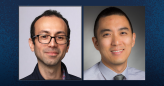
UC San Diego to Advance Stem Cell Therapies in New Space Station Lab
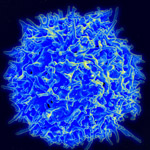
UC San Diego and Space Tango received a NASA award to develop the first dedicated stem cell research laboratory within the International Space Station.
The San Diego Supercomputer Center at UC San Diego is providing priority access to its high-performance computer systems and other resources to researchers advancing our understanding of the virus and efforts to develop an effective vaccine in as short a time as possible.
Scientists studying bacteria have identified the roots of a behavior that is regulated by the circadian clock. The research provides a striking example of the importance of keeping the internal biological clock aligned with the external environment so that processes occur at the right time of day.
Researchers at SDSU and the Polytechnic University of Turin used simulations done on SDSC's Comet supercomputer to study how ocean wave energy converters harness energy and turn it into electricity, offering the potential to reduce our reliance on fossil fuels.
Researchers at Scripps Institution of Oceanography at the University of California San Diego are eavesdropping on an Arctic glacier in the name of science. In a new study, Scripps scientists Oskar Glowacki and Grant Deane describe a new method to measure glacier mass loss from iceberg calving.
With support from Amazon Web Services, UC San Diego Health physicians are using AI in a clinical research study aimed at speeding the detection of pneumonia, a condition associated with severe COVID-19.
Keep up with all the latest from UC San Diego. Subscribe to the newsletter today.
You have been successfully subscribed to the UC San Diego Today Newsletter.