Reversing Cancer’s Gluttony
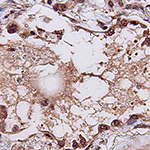
Researchers at UC San Diego School of Medicine and Moores Cancer Center describe how pancreatic cancer cells use an alternative method to find necessary nutrients, defying current therapies, to help them grow and spread.
Neural network training could one day require less computing power and hardware, thanks to a new nanodevice that can run neural network computations using 100 to 1000 times less energy and area than existing CMOS-based hardware.
By studying how different pluripotent stem cell lines build muscle, researchers have for the first time discovered how epigenetic mechanisms can be triggered to accelerate muscle cell growth, providing new insights for developing therapies for muscle disease, injury and atrophy.
In order to build and sustain a more robust innovation ecosystem, University of California San Diego is the first University of California campus to establish a chapter of the National Academy of Inventors (NAI).
Since 2009, Daniel Tward and his collaborators at UCLA and Johns Hopkins University have analyzed more than 47,000 images of human brains via MRI Cloud—a gateway created to collect and share quantitative information from human brain images, including subtle changes in shape and cortical thickness.
San Diego’s tide pools are a popular site for visitors hoping to see some form of marine life. Revealed with the ebb and flow of the tides, these rocky coastal wonderlands are often teeming with creatures ranging from hermit crabs and octopus to small fishes and sea anemones.
Keep up with all the latest from UC San Diego. Subscribe to the newsletter today.
You have been successfully subscribed to the UC San Diego Today Newsletter.