Noninvasive Test for Embryo Quality Could Streamline Fertility Treatment
Researchers from UC San Diego have developed a noninvasive approach for predicting the quality of lab-fertilized embryos using leftover culture medium.
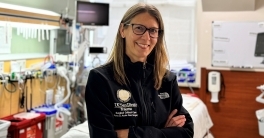
Diane M. Simeone, MD, has been named the new director of Moores Cancer Center at UC San Diego Health.
Following years of research and the power of a technologically advanced instrument, UC San Diego scientists have detailed the complex nanoscale exoskeleton patterns of the roundworm, a model laboratory organism, revealing clues about how skin layers are bound together.
In a groundbreaking development in the field of anti-acne therapies, a team of researchers has created an acne vaccine that, when used in a mouse acne model, neutralizes a specific variant of an enzyme produced by an acne-associated bacteria while leaving the healthy bacterial enzyme intact.
Researchers from University of California San Diego have found that people with depression and suicidal ideation have compounds in their blood that could help identify people at higher risk of becoming suicidal. They also found sex-based differences in how depression impacts metabolism.
As part of a national initiative better understand how the brain works, researchers from UC San Diego have analyzed more than 2.3 million individual brain cells from mice to create a comprehensive map of the mouse brain.
Keep up with all the latest from UC San Diego. Subscribe to the newsletter today.
You have been successfully subscribed to the UC San Diego Today Newsletter.