In studying the impact of DNA damage on the Golgi, a research team from the University of California, San Diego School of Medicine and the Ludwig Institute for Cancer Research have discovered a novel pathway activated by DNA damage, with important consequences for the body’s cellular response to chemotherapy.
Funded by USAID for $1.38 million, a research team led by UC San Diego’s Clark Gibson will run experiments with information and communications technology in the upcoming elections in South Africa. They are seeking to increase citizen participation in the electoral process, including the monitoring of Election Day.
UC San Diego Health System is a recipient of Healthgrades’ “Distinguished Hospital Award for Clinical Excellence.” Top performing hospitals were selected based on clinical excellence across a broad spectrum of care in specialty areas such as cardiac and neuro surgery and gastrointestinal, pulmonary and critical care.
During his lifetime, Henry G. Molaison (H.M.) was the best-known and possibly the most-studied patient of modern neuroscience. Now, thanks to the postmortem study of his brain, based on histological sectioning and digital three-dimensional construction led by Jacopo Annese, PhD, at the University of California, San Diego, scientists around the globe will finally have insight into the neurological basis of the case that defined modern studies of human memory.
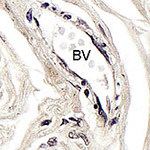
A team of scientists, led by principal investigator David D. Schlaepfer, PhD, a professor in the Department of Reproductive Medicine at the University of California, San Diego School of Medicine, has found that a protein involved in promoting tumor growth and survival is also activated in surrounding blood vessels, enabling cancer cells to spread into the bloodstream.
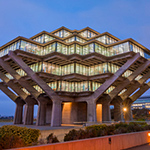
As Governor Edmund G. Brown Jr. delivered his annual State of the State address to the Legislature yesterday, he highlighted the University of California, San Diego as a leader in developing medical and scientific advances.