A lifelong athlete, Jillian Queri knew something was wrong one morning while surfing. She began struggling to breathe and almost drowned. In a hospital emergency department, Jillian learned she had multiple pulmonary embolisms, or blood clots, in her lungs and deep vein thrombosis in her arm.
Dr. Robert “Chip” Schooley, professor in the Department of Medicine at UC San Diego School of Medicine and a leader of UC San Diego’s Return to Learn program, addresses questions on the purpose of asymptomatic testing, how testing can be accessed and what happens if a positive result is received.
Jennifer Le thought of her many distant colleagues at the Hospital for Tropical Diseases in Vietnam when she read a news article about one of their patients—a 42-year-old Scottish pilot who had recovered from COVID-19 after two-and-a-half months in a medically induced coma.
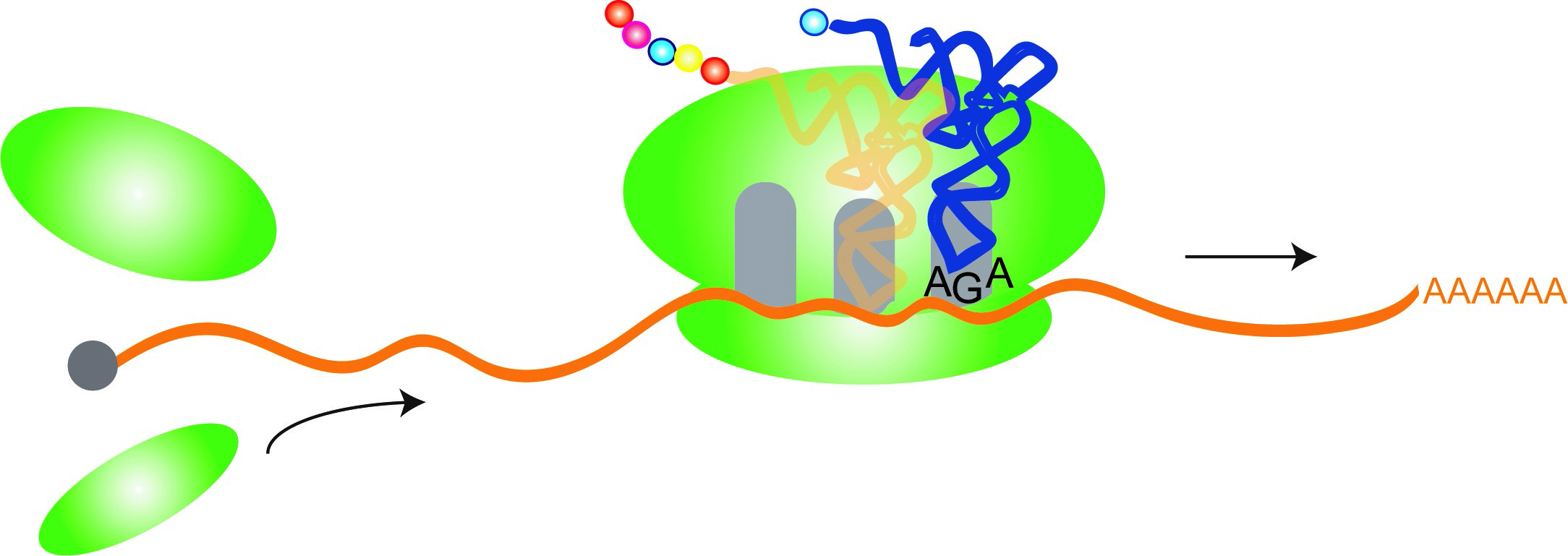
Molecules known as tRNAs are often overlooked in study of disease processes. Researchers have now found that a mutation in a tRNA gene called n-Tr20—expressed only in the brain—can disrupt the landscape of entire cells, leading to chain reactions that alter brain function and behavior.
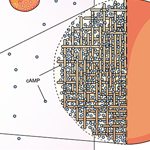
UC San Diego researchers engineered fluorescent tools that combine the gene editing technique CRISPR and biosensor technologies to look inside cells in a whole new way. Their findings show that a major protein that binds to the signaling molecule cAMP can form membraneless organelles in human cells.
In a new study from UC San Diego School of Medicine, thousands of fake social media posts tied to COVID-19 and financial scams are found on two popular platforms.