International Research Team Confirms Potential Glioblastoma Inhibitors
A research team from SDSC and institutes in Sweden and France have published a study on the OLIG2 inhibitor as a way to improve prognoses for brain cancer patients.
A research team from SDSC and institutes in Sweden and France have published a study on the OLIG2 inhibitor as a way to improve prognoses for brain cancer patients.
An international team of scientists has synthetically engineered mosquitoes that halt the transmission of the dengue virus. The development marks the first engineered approach in mosquitoes that targets the four known types of dengue, improving upon previous designs that addressed single strains.
The American Association for Thoracic Surgery (AATS) has adopted an open-source, cloud-based platform led out of the San Diego Supercomputer Center (SDSC) that addresses widely recognized challenges with historical platforms throughout the cardiothoracic surgical community.
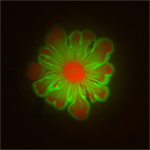
Researchers at University of California San Diego have discovered that when certain microbes pair up, stunning floral patterns emerge. When non-motile E. coli are placed on an agar surface together with motile A. baylyi, the E. coli “catch a wave” at the front of the expanding A. baylyi colony.
Scientists at the Southwest Research Institute (SwRI) used SDSC’s Comet supercomputer to help model the formation of terrestrial planets such as Mercury, Venus, and Mars in a quest to explore if there are Earth-like planets outside our solar system.
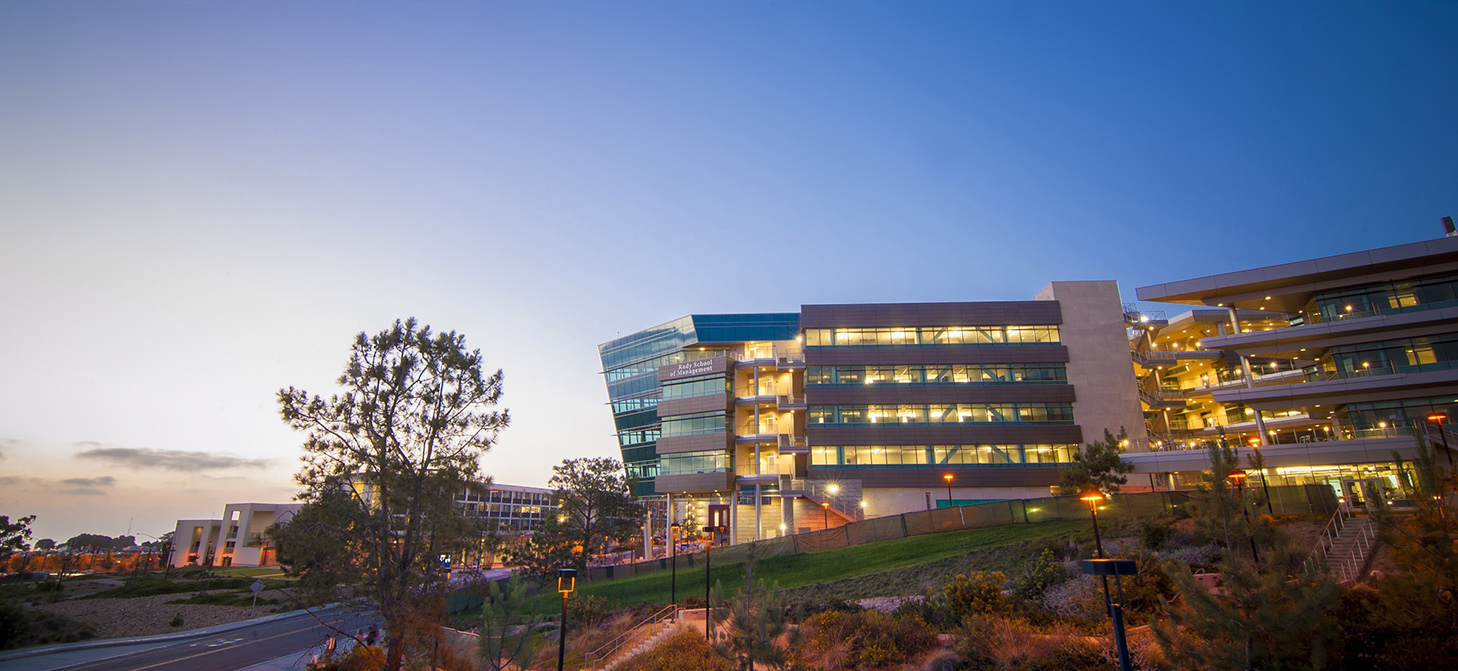
The Rady School of Management at the University of California San Diego has launched a FlexWeekend Master of Science in Business Analytics (FlexWeekend MSBA) degree program.
Keep up with all the latest from UC San Diego. Subscribe to the newsletter today.