Shaping the Future of Diversity and Inclusion at UC San Diego
On our campus, diversity can refer to many things: race and ethnicity; gender and sexual orientation; backgrounds and lived experiences; abilities and disabilities.
On our campus, diversity can refer to many things: race and ethnicity; gender and sexual orientation; backgrounds and lived experiences; abilities and disabilities.
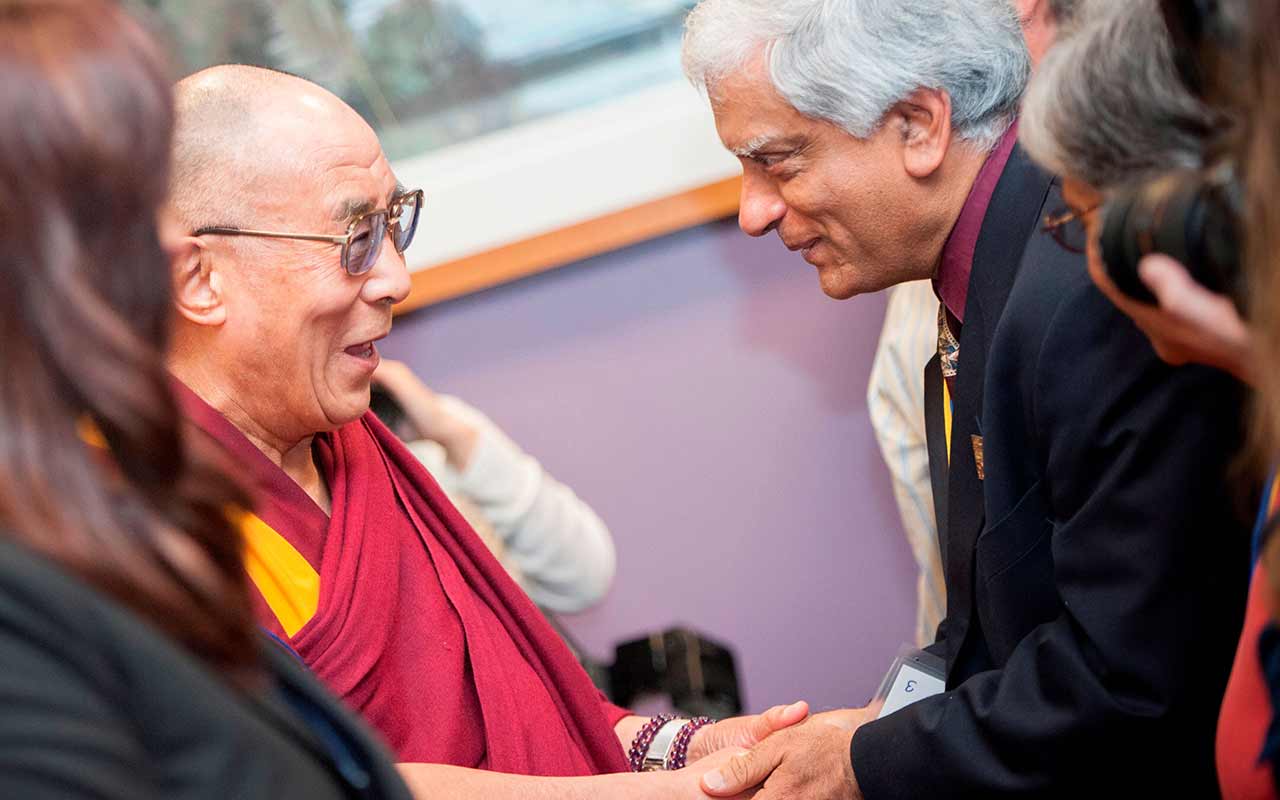
During his June 2017 visit to the University of California San Diego, His Holiness the 14th Dalai Lama will share messages of global compassion, with an emphasis on education, scientific inquiry and global responsibility––all values that deeply align with UC San Diego’s academic mission.
Like nearly 6,000 other undergraduates soon to receive UC San Diego diplomas, Jackie Nguyen is thinking about what the future will hold after she obtains that hard-earned degree. The general biology major will be moving to northern California to begin a Doctor of Optometry program at UC Berkeley in August. Yet, she also is thinking a lot about the university she is leaving behind—and the future generations of students who will pursue their dreams at UC San Diego.
Anne Artz, a teacher at The Preuss School UCSD, will spend her summer vacation a little differently this year. Approximately one week after she finishes the school year on June 23, Artz will head to Vietnam for a six-week teaching stint as part of the Fulbright Distinguished Awards in Teaching Short-Term grant.
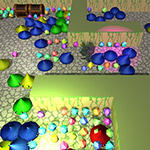
Computer science students in a course of building software systems will present their final team projects in the form of five multi-player, 3D networked videogames in front of a standing-room-only audience this Friday in the Qualcomm Institute’s auditorium.
Areian Eghbali, a junior at the University of California San Diego, has developed an outreach program to introduce local underserved high school students to learning and career paths in STEM. To help fund the project, he has been named a 2017 recipient of the Donald A. Strauss Public Service Scholarship, a $10,000 award to launch his program.
Keep up with all the latest from UC San Diego. Subscribe to the newsletter today.