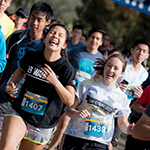
On April 15, an expected crowd of about 4,000 UC San Diego students, faculty, staff and alumni—as well as San Diego community members—will come together on campus to benefit student scholarships at the 22nd annual Triton 5K & Festival.
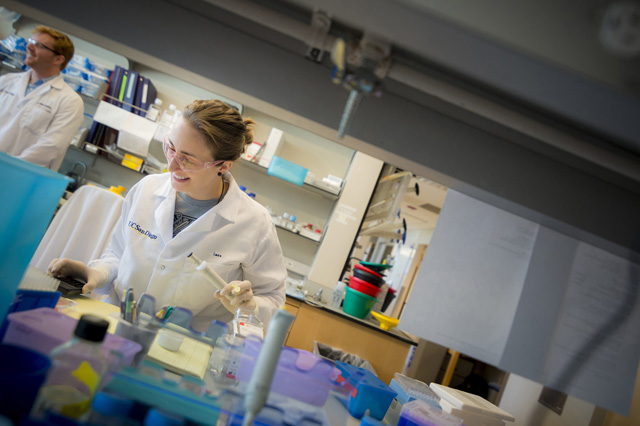
As prospective graduate students across the country research course offerings and consider possible universities to attend, U.S. News & World Report has released its annual list of the nation’s top graduate programs that names professional schools and academic divisions at the University of California San Diego among the best in the nation.
Each year people all over the world die from the flu. To protect against influenza epidemics and their potentially mortal results, medical professionals encourage vaccination. While generally effective for healthy individuals, vaccinations are less effective for the elderly, the immunocompromised and other high-risk groups. For the healthy, getting a shot doesn’t necessarily mean that you won’t get the flu since current vaccinations are not full-proof. But now there’s hope.
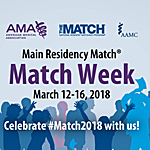
Each year, at precisely the same moment — 12 p.m. on the East coast, 9 a.m. on the West — thousands of graduating medical school students across the country simultaneously tear open an envelope. The single sheet of paper inside informs each graduate where he or she will do their residencies. This rite of passage for medical students will mark a new chapter in their already remarkable stories. Here are three.
Based in part on an exceptional faculty with broad strengths in the philosophy of science, history of philosophy, philosophy of mind, and ethics, the University of California San Diego Department of Philosophy increased its international prestige by ranking as one of the top 20 Ph.D. philosophy programs in the United States.
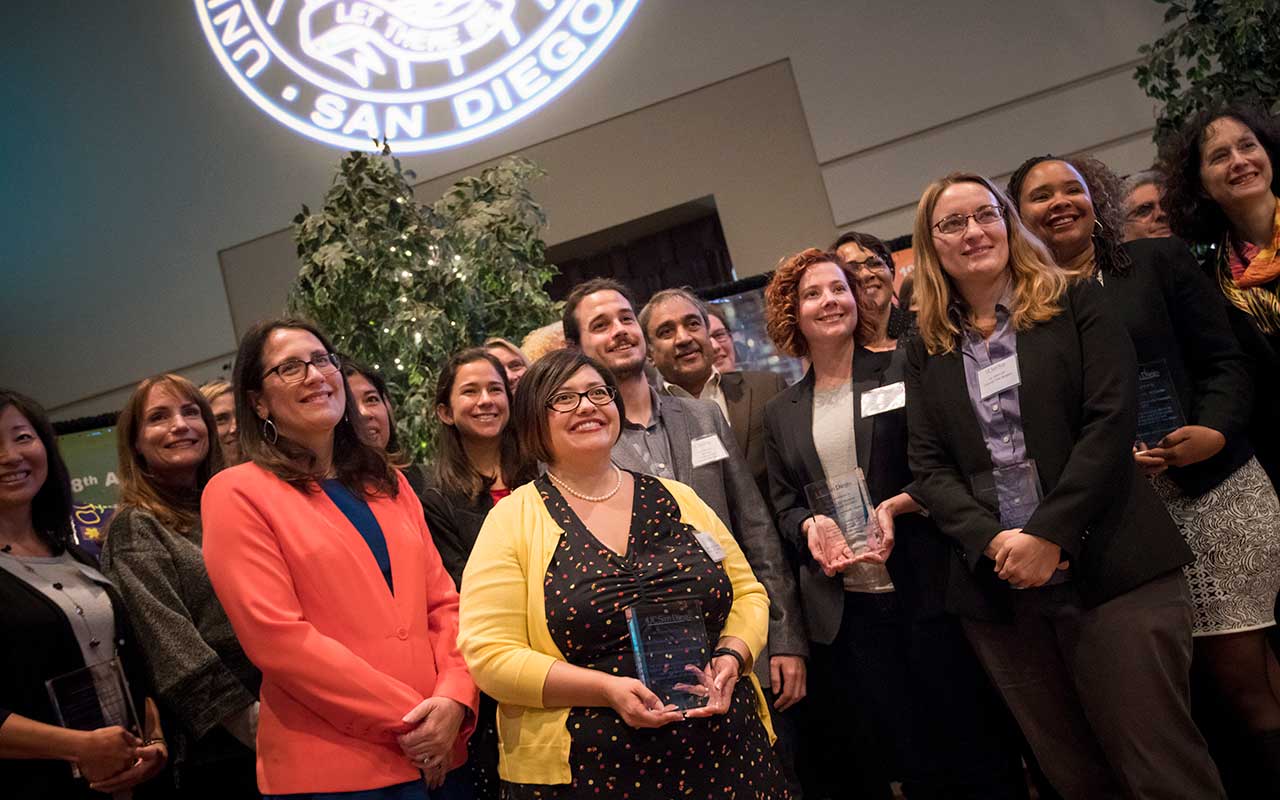
Diversity of perspective, background and heritage are valued at UC San Diego to create an inclusive community where all can thrive. In 2017-18, the campus recognized 20 individuals, departments and organizational units for their outstanding contributions in the areas of equal opportunity, affirmative action, diversity and the UC San Diego Principles of Community during the year. The award ceremony, presented by Equal Opportunity Services, honored recipients on March 1 at the Price Center West Ballroom.