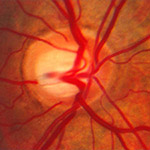
Albert La Spada, MD, PhD, professor of pediatrics, cellular and molecular medicine and neurosciences at University of California, San Diego School of Medicine, has received a 2015 Harrington Scholar award to advance his work on a therapy for Spinocerebellar ataxia type 7 (SCA7), a rare but devastating neurological disorder that can lead to blindness and progressive loss of physical coordination.
Approximately 20 million Americans will experience some type of gastroesophageal reflux disease, or GERD, in their lives. In some cases, patients suffer resulting heart burn or acid regurgitation so severe that they require surgery to repair damage to their esophagus. A clinical trial at UC San Diego Health is using a new, FDA-approved device that reconstructs the esophagus through the mouth and requires no incisions.
More than five million Americans are living with Alzheimer’s disease (AD). Of them, 400,000 also have Down syndrome. Both groups have similar looking brains with higher levels of the protein beta amyloid. In fact, patients with Down syndrome develop the abnormal protein at twice the rate. Results of a pilot study confirms the pathogenic role of beta amyloid in dementia as seen in both AD and Down syndrome.
A prospective longitudinal study of U.S. Marines suggests that reduced heart rate variability – the changing time interval between heartbeats – may be a contributing risk factor for post-traumatic stress disorder (PTSD). The findings are reported in the September 9 online issue of JAMA Psychiatry by researchers at the University of California, San Diego School of Medicine and Veterans Affairs San Diego Healthcare System.
Scientists at the University of California, San Diego School of Medicine have elucidated a genetic interaction that may prove key to the development and progression of glaucoma, a blinding neurodegenerative disease that affects tens of millions of people worldwide and is a leading cause of irreversible blindness.
Two University of California, San Diego-sponsored events in September, over two consecutive Saturdays, highlight the importance of a comprehensive approach to brain research. First, on Sept. 12, is an education and advocacy forum for the public bringing together those affected by Alzheimer's disease, Parkinson's disease, brain injury, stroke, epilepsy, autism, mental illness or depression. Then on Sept. 19 a research symposium will connect local “neurotechnology” innovators to one another and to the region’s business community.