The University of California San Diego’s Division of Arts and Humanities significantly increased its presence on the recently released list of 2016 – 2017 Hellman Fellowships, a university program designed to provide financial support to promising faculty for activities that enhance progress toward tenure. Last year’s divisional recipients included an associate professor from the Department of History, but this year four junior faculty earned recognition. Making up one-third of the 12 awardees, they are: Amy Marie Cimini, Department of Music; Deborah Isobel Stein, Department of Theatre and Dance; Matthew Werner Vitz, Department of History; and Alena Williams, Department of Visual Arts.
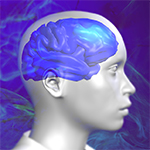
Researchers at the Kavli Institute for Brain and Mind at UC San Diego have developed a technique for imaging brain activity in a freely walking fruit fly. Working with one of the most common model organisms in science, the team shows for the first time what goes on in the brain of the fly during courtship – when it’s unrestrained.
The Pacific island country Palau has released a Monitoring, Control and Surveillance (MCS) Plan to combat illegal activity and manage emergency responses in its ocean waters, which are protected by a recently established national marine sanctuary. Researchers at Scripps Institution of Oceanography at the University of California San Diego were key contributors to the plan.
At the outset of the 2015-2016 El Niño season, researchers at Scripps Institution of Oceanography at UC San Diego recognized that all the ingredients of a major event were in place.
From the experiences of an East African immigrant working as a dishwasher to those of a long-term, loving couple, UC San Diego’s 2016 Wagner New Play Festival features five new plays, May 3 – 12, in The Joan and Irwin Jacobs Theatre District located on the La Jolla campus. Two of the premiere pieces, described as highly personal and powerful, are by award-winning M.F.A. playwrights in the Department of Theatre and Dance.
What can you do about climate change? The better question might be: What can we? University of California San Diego researchers show in a new study that framing the issue collectively is significantly more effective than emphasis on personal responsibility.