Blanks for the Memory
UC San Diego researchers report that one kind of perceptual learning can occur in memory-impaired persons who do not actually remember what they learned.
Researchers at UC San Diego have used gene therapy to prevent learning and memory loss in a mouse model of Alzheimer’s disease, a key step toward eventually testing the approach in humans with the neurodegenerative disease.
Augmented reality headsets give UC San Diego Health spine surgeons “x-ray vision” during procedures for accurate and personalized implant placement, while keeping their eyes on their patients.
Scientists from around the world have produced a new analysis—believed to be the most detailed study of ecological data from global forests—that is furthering science’s understanding of species interactions and how diversity contributes to the preservation of ecosystem health.
An expedition led by UC San Diego’s Scripps Institution of Oceanography mapped more than 36,000 acres of seafloor between Santa Catalina Island and the Los Angeles coast in a region previously found to contain high levels of the toxic chemical DDT in sediments and the ecosystem.
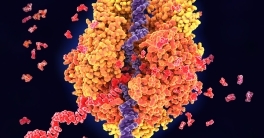
UC San Diego School of Medicine researchers discovered one way in which SARS-CoV-2 hijacks human cell machinery to blunt the immune response, allowing it to establish infection, replicate and cause disease.
Keep up with all the latest from UC San Diego. Subscribe to the newsletter today.
You have been successfully subscribed to the UC San Diego Today Newsletter.