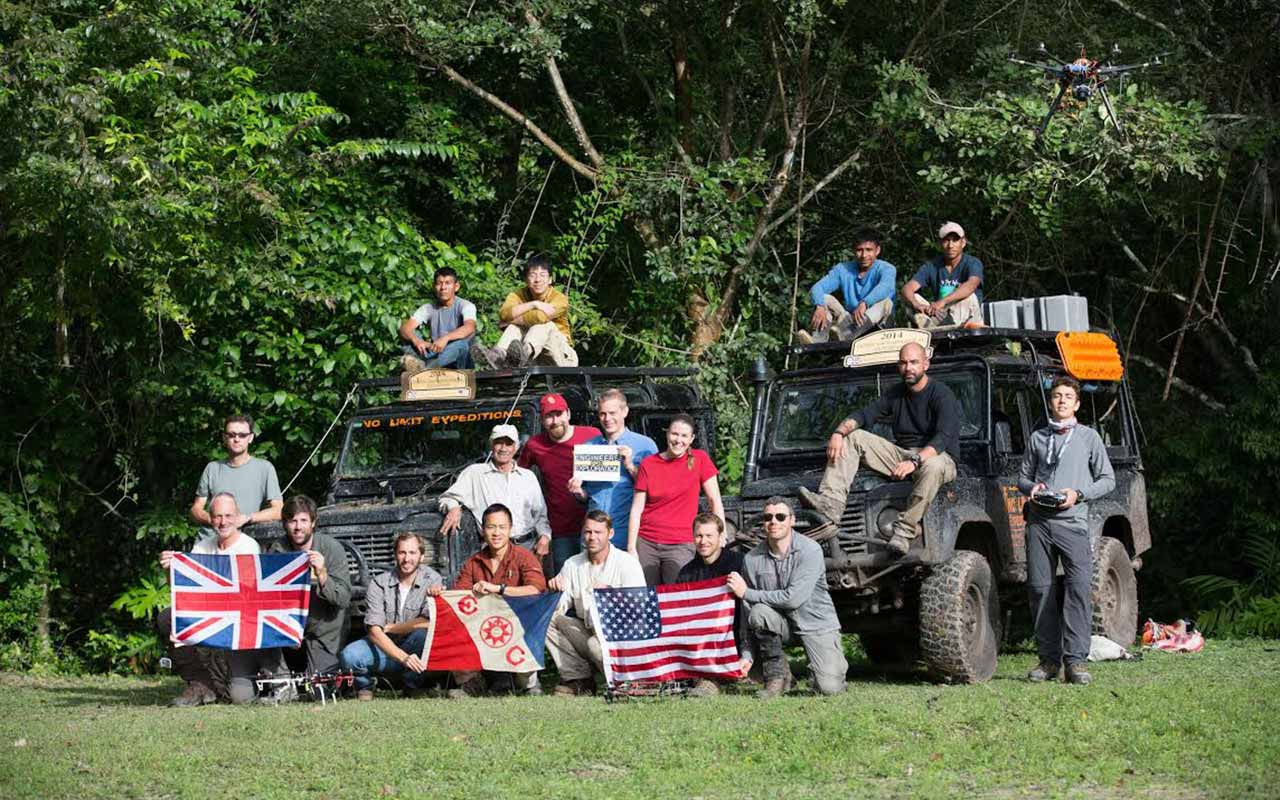
Capturing Ancient Maya Sites from Both a Rat’s and a ‘Bat’s Eye View’
A trip to the Guatemalan jungle usually nets a few souvenirs: Photographs of Maya ruins, bragging rights about encounters with venomous snakes, perhaps a bug bite or two.
A trip to the Guatemalan jungle usually nets a few souvenirs: Photographs of Maya ruins, bragging rights about encounters with venomous snakes, perhaps a bug bite or two.
Researchers at the University of California, San Diego School of Medicine have launched a phase 1 human clinical trial to assess the safety and efficacy of a new monoclonal antibody for patients with chronic lymphocytic leukemia (CLL), the most common form of blood cancer in adults.
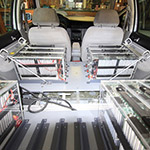
Imagine being able to switch out the batteries in electric cars just like you switch out batteries in a photo camera or flashlight. A team of engineers at the University of California, San Diego, are trying to accomplish just that, in partnership with a local San Diego engineering company.
During cancer development, tumor cells decorate their surfaces with sugar compounds called glycans that are different from those found on normal, healthy cells. Researchers at the University of California, San Diego School of Medicine report that sialic acids at the tips of these cancer cell glycans are capable of engaging with immune system cells and changing the latter’s response to the tumor – for good and bad.
Gismos, gadgets, widgets ... Ingenuity in developing precise and efficient tools is an important key to unlocking the mysteries of the ocean. Observing the oceans in real time is crucial to understanding and protecting the planet. Private support can make a significant difference in the speed with which new oceanographic technologies are developed and put into use.
Miroslav Krstic, professor of mechanical and aerospace engineering and associate vice chancellor for research at UC San Diego, has received the triennial Chestnut Textbook Prize awarded by the International Federation of Automatic Control (IFAC).
Keep up with all the latest from UC San Diego. Subscribe to the newsletter today.