Researchers at University of California San Diego School of Medicine have discovered using mice and human clinical specimens, that caspase-2, a protein-cleaving enzyme, is a critical driver of non-alcoholic steatohepatitis (NASH), a chronic and aggressive liver condition. By identifying caspase-2’s critical role, they believe an inhibitor of this enzyme could provide an effective way to stop the pathogenic progression that leads to NASH — and possibly even reverse early symptoms.
A new wearable ultrasound patch that non-invasively monitors blood pressure in arteries deep beneath the skin could help people detect cardiovascular problems earlier on and with greater precision. In tests, the patch performed as well as some clinical methods to measure blood pressure. Applications include real-time, continuous monitoring of blood pressure changes in patients with heart or lung disease, as well as patients who are critically ill or undergoing surgery.
Researchers at the University of California San Diego say they have dramatically advanced the science of biometric identification, creating a novel technology that can capture the fingerprints of infants and children, even on the first day of birth.
Two to three million years ago, the functional loss of a single gene triggered a series of changes in what would eventually become the modern human species. Researchers at University of California San Diego School of Medicine report on studies of mice engineered to lack the same gene and resulting data that suggest the lost gene may also have contributed to humanity’s well-documented claim to be among the best long-distance runners in the animal kingdom.
Macrophages are immune cells that are supposed to protect the body from infection by viruses and bacteria. Yet Zika virus preferentially infects these cells. Researchers at University of California San Diego School of Medicine have now unraveled how the virus shuts down the genes that make macrophages function as immune cells.
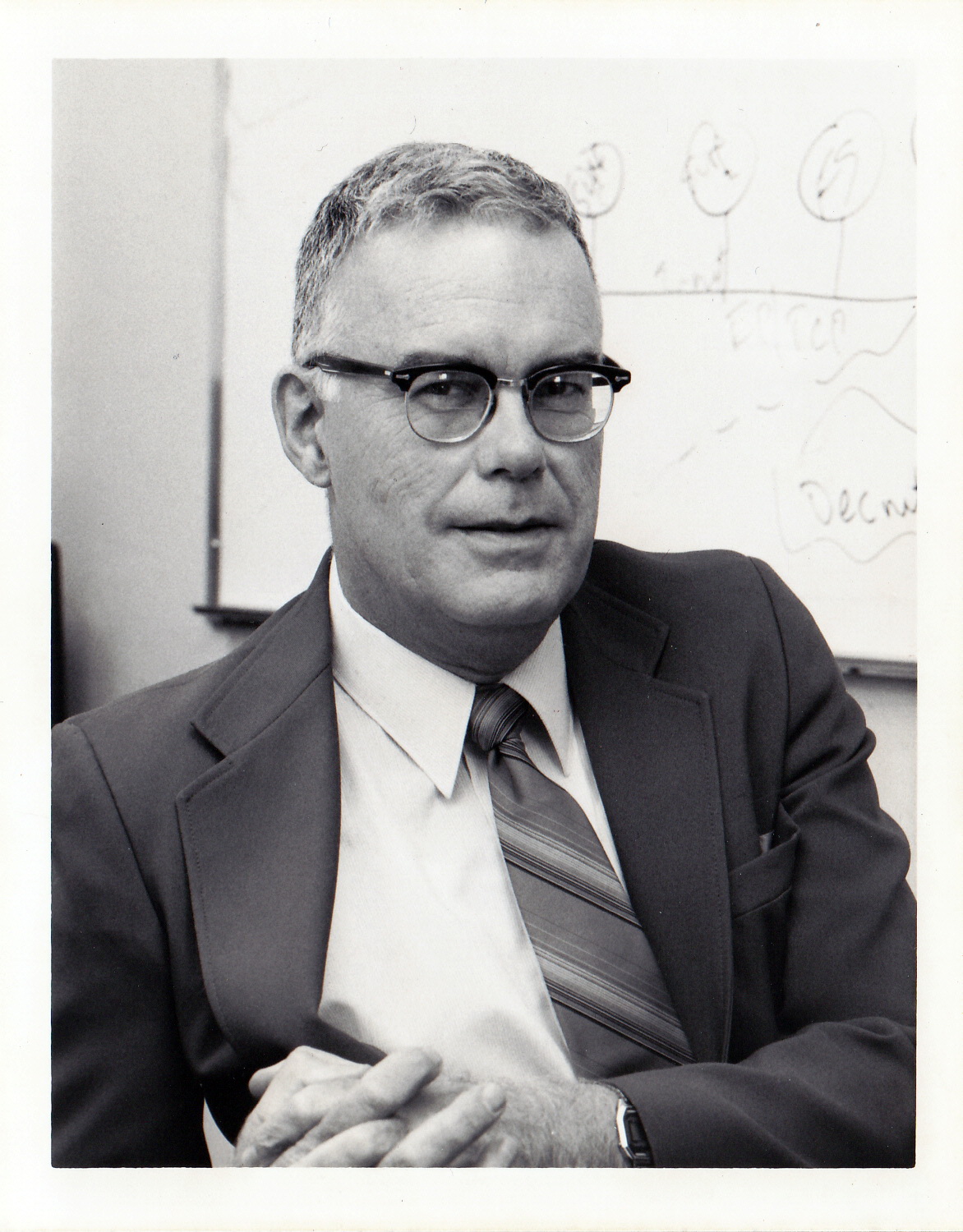
Kenneth (Ken) Bowles, a computer science pioneer and professor emeritus at the University of California San Diego, passed away on Aug. 15, 2018 in Solana Beach, California. He was 89. Bowles gained world renown for initiating and leading a largely student-driven project that culminated in the creation of the UCSD Pascal programming system in the late 1970s, which included a programming language, an operating system and a whole suite of other tools. UCSD Pascal influenced many aspects of computing that are now ubiquitous, including modern PCs and Macs as well as Sun Microsystem’s Java language.