UC San Diego Health Continues Regional Growth with New Clinic in Eastlake
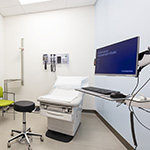
UC San Diego Health opens a new clinic in Eastlake that offers express care and imaging capabilities with primary care opening late 2019.
UC San Diego Health opens a new clinic in Eastlake that offers express care and imaging capabilities with primary care opening late 2019.
A new type of micromotor—powered by ultrasound and steered by magnets—can move around individual cells and microscopic particles in crowded environments without damaging them. It can also be controlled to move over 3D obstacles. The work could open up new possibilities for nanomedicine.
UC San Diego researchers are leading a collaborative effort to understand and develop methods to help rectify hidden biases in healthcare.
An international consortium of nearly 200 plant scientists, including engineers at UC San Diego, has released gene sequences for more than 1100 plant species, the culmination of a nine-year research project. The advance was made possible in large part thanks to new computational tools.
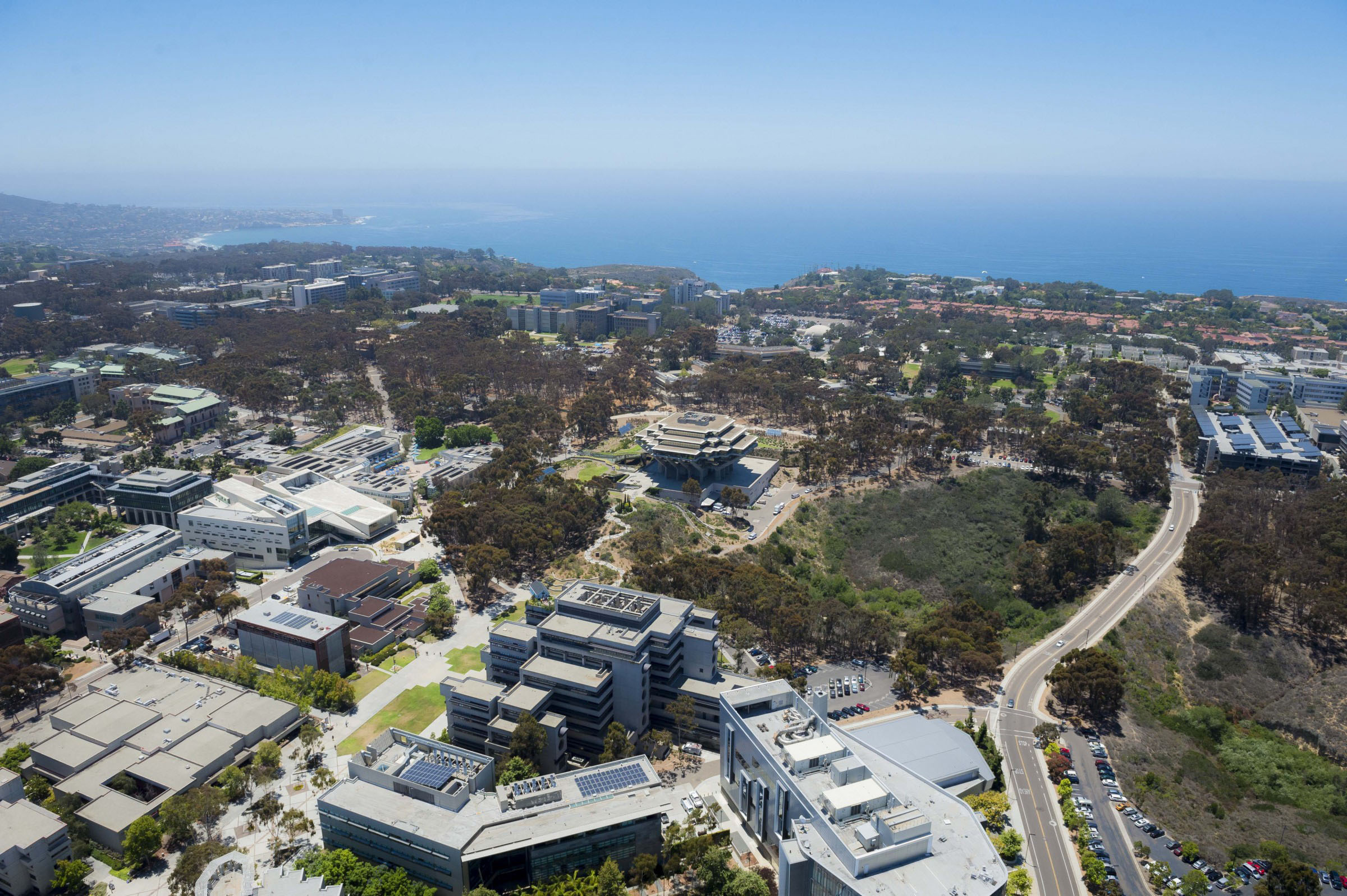
The University of California San Diego has been named the nation’s sixth best public university, according to U.S. News and World Report’s Best Global Universities.
Lisa Levin, a biological oceanographer at Scripps Institution of Oceanography at UC San Diego, will receive the Prince Albert I Grand Medal, the highest international distinction dedicated to ocean sciences presented by the Oceanographic Institute, Prince Albert I of Monaco.
Keep up with all the latest from UC San Diego. Subscribe to the newsletter today.