Gut Microbes Influence How Rat Brains React to Opioids
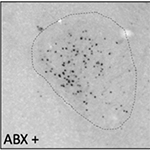
Antibiotic treatment — which depletes gut microbes — drastically changes the parts of a rat’s brain that are activated during opioid addiction and withdrawal.
Antibiotic treatment — which depletes gut microbes — drastically changes the parts of a rat’s brain that are activated during opioid addiction and withdrawal.
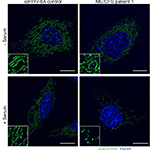
Researchers at UC San Diego School of Medicine and three German universities describe an underlying biological basis for myalgic encephalomyelitis/chronic fatigue syndrome, illustrating how efforts by the body to boost immune system protections can come at physiological cost elsewhere.
Biologists studying bacterial communities have discovered that these simple organisms feature a robust memory capacity. Using light, they were able to encode memory patterns and visualize cells with memory. The discovery reveals parallels between low-level organisms and sophisticated neurons.
Three faculty members and one vice chancellor are among the Academy’s 2020 class of 276 members, recognized for their outstanding accomplishments, expertise and insights toward the common good.
Ann Redelfs, who joined the San Diego Supercomputer Center at UC San Diego in 1995 as the Center’s director of external relations before returning to Cornell University in 2001, passed away on April 18 in Duluth, MN, due to complications from a blood clotting disorder.
Deforestation is not an issue dominating headlines in the U.S. right now, but Teevrat Garg, an assistant professor of economics at UC San Diego’s School of Global Policy and Strategy, thinks it should be. Deforestation has been linked to both the spread of infectious disease and climate change, and what is most alarming, it’s happening at a rapid rate.
Keep up with all the latest from UC San Diego. Subscribe to the newsletter today.