From the smell of flowers to the taste of wine, our perception is strongly influenced by prior knowledge and expectations, a cognitive process known as top-down control. In a University of California, San Diego School of Medicine study, a research team led by Takaki Komiyama, PhD, assistant professor of neurosciences and neurobiology, reports that in mouse models, the brain significantly changed its visual cortex operation modes by implementing top-down processes during learning.
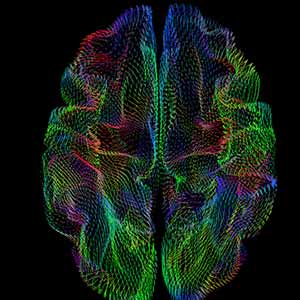
Researchers at the University of California, San Diego and the School of Medicine have found that the three-dimensional shape of the cerebral cortex – the wrinkled outer layer of the brain controlling many functions of thinking and sensation – strongly correlates with ancestral background. The study opens the door to more precise studies of brain anatomy going forward and could eventually lead to more personalized medicine approaches for diagnosing and treating brain diseases.
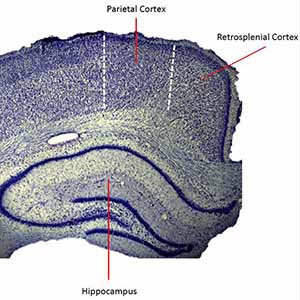
Ever wake at night needing a drink of water and then find your way to the kitchen in the dark without stubbing your toe? Researchers at the University of California, San Diego say they have identified a region of the brain that enables you to do that – and generally helps you navigate the world.
Researchers at the University of California, San Diego School of Medicine and Moores Cancer Center are working with GSK on a bench-to-bedside project to treat leukemia and other diseases by eliminating cancer stem cells. The collaboration is part of GSK’s Discovery Partnerships with Academia (DPAc) program, where academic partners become core members of drug-hunting teams. Catriona Jamieson, MD, PhD, associate professor of medicine and chief of the Division of Regenerative Medicine, will lead UC San Diego’s effort in the new DPAc team.
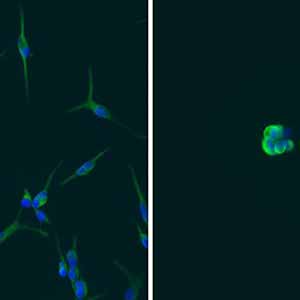
Using human tumor samples and mouse models, researchers at University of California, San Diego School of Medicine and Moores Cancer Center discovered that cancer stem cell properties are determined by epigenetic changes — chemical modifications cells use to control which genes are turned on or off.
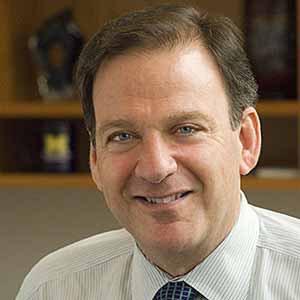
Alan R. Saltiel, PhD, whose studies of the hormone insulin have helped drive research of obesity, diabetes and other metabolic disorders across the nation, is joining University of California, San Diego School of Medicine as professor and director of a new Comprehensive Diabetes Center.