Scientists at the University of California, San Diego School of Medicine have elucidated a genetic interaction that may prove key to the development and progression of glaucoma, a blinding neurodegenerative disease that affects tens of millions of people worldwide and is a leading cause of irreversible blindness.
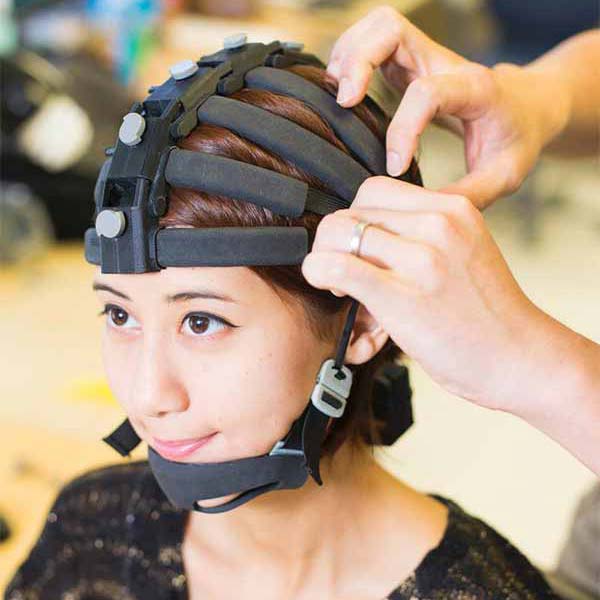
Two University of California, San Diego-sponsored events in September, over two consecutive Saturdays, highlight the importance of a comprehensive approach to brain research. First, on Sept. 12, is an education and advocacy forum for the public bringing together those affected by Alzheimer's disease, Parkinson's disease, brain injury, stroke, epilepsy, autism, mental illness or depression. Then on Sept. 19 a research symposium will connect local “neurotechnology” innovators to one another and to the region’s business community.
UC San Diego, ranks for the first time among the schools contributing the most graduates to Teach For America, debuting at no. 12on the list of contributing schools and universities released today by the national nonprofit organization. The graduates who join Teach For America commit to teaching for at least two years in under-resourced schools and become lifelong leaders in the pursuit of educational equity.
Using “mini-brains” built with induced pluripotent stem cells derived from patients with a rare, but devastating, neurological disorder, researchers at University of California, San Diego School of Medicine say they have identified a drug candidate that appears to “rescue” dysfunctional cells by suppressing a critical genetic alteration.
Researchers at University of California, San Diego School of Medicine have documented the accuracy of three new tests for more rapidly diagnosing drug-resistant forms of tuberculosis (TB), which are much harder and more expensive to treat and which, experts say, represent a major threat to global public health.
In some patients, aggressive cancers can become resistant to chemotherapy and radiation treatments. In a paper published in the journal Nature Communications, University of California, San Diego School of Medicine researchers identified a pathway that causes the resistance and a new therapeutic drug that targets this pathway.