Precision Therapy Could Stop Breast Cancer at the Source
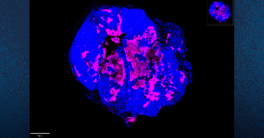
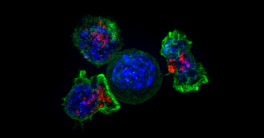
UC San Diego researchers have developed a new targeted therapy for triple-negative breast cancer, the most difficult-to-treat subtype of the disease.
A UC San Diego study suggests that the depiction of lorazepam use on Season 3 of The White Lotus TV series sparked 1.6 million extra Google searches for information about the benzodiazepine drug, including how to acquire it online.
The University of California San Diego has announced that Amir Zarrinpar, M.D., Ph.D., has been appointed as the inaugural holder of the Stuart and Barbara L. Brody Endowed Chair in Circadian Biology and Medicine.
In an analysis of more than 6,800 colon cancer patients across all University of California Health sites, researchers found that those taking glucagon-like peptide-1 (GLP-1) medications were less than half as likely to die within five years compared to those who weren’t on the drugs (15.5% vs. 37.1%
UC San Diego researchers developed a machine learning model that accurately predicts skin cancer risk across ancestries, improving equity in early detection and outcomes using genetics, lifestyle, and social factors.
UC San Diego researchers find that a weeklong mind-body retreat led to rapid changes in brain function and blood biology, boosting resilience, pain relief, and stress recovery—showing how meditation and related practices can quickly impact health.
Keep up with all the latest from UC San Diego. Subscribe to the newsletter today.
You have been successfully subscribed to the UC San Diego Today Newsletter.