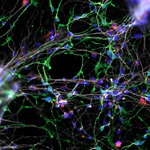
In a study spanning molecular genetics, stem cells and the sciences of both brain and behavior, researchers at University of California San Diego, with colleagues at the Salk Institute for Biological Studies and elsewhere, have created a neurodevelopmental model of a rare genetic disorder that may provide new insights into the underlying neurobiology of the human social brain.
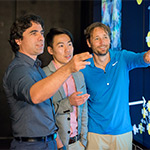
A team of 127 co-authors led by UC San Diego faculty from computer science and the Skaggs School of Pharmacy report in Nature Biotechnology on the successful rollout of Global Natural Products Social Molecular Networking (GNPS) that lets scientists share mass spectrometry data worldwide to speed the search for potentially valuable molecules in natural products.
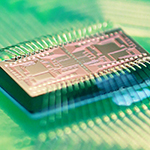
A multi-institutional team of researchers led by the University of California San Diego has received a grant from the NSF Office of Emerging Frontiers and Multidisciplinary Activities (EFMA) to develop and manufacture microchips that would enable secure and efficient quantum communication. The technology has applications in long-distance fiber optic communication and will help advance research in quantum sensing and computing.
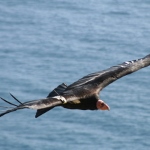
Biologists have discovered high levels of pesticides and other contaminants from marine mammals in the tissues of endangered California condors living near the coast that they say could complicate recovery efforts for the largest land bird in North America.
Robert S. Sullivan was elected Chairman of San Diego-based PCI (Project Concern International) at its annual meeting of the Board of Directors on August 6th. As chair, Sullivan will spearhead the strategic direction of PCI’s efforts working with families and communities in 15 countries to enhance health, end hunger and overcome hardship.
The University of California San Diego’s Department of Theatre and Dance is one of the top theater training programs in the nation for a reason—it produces promising artists. This fact wasn’t lost on the Princess Grace Foundation-USA, an organization that supports emerging artists, when it recently named its Princess Grace Award winners for 2016. Among them were three UC San Diego alumni: Christopher Scott Murillo, ’13; Keith Wallace, ’16 and Jiehae Park, ’09. Murillo and Wallace each won in the category of Theater and Playwriting, while Park was awarded a grant for a Works in Progress Residency. The three former Tritons, along with other winners, will be celebrated at the annual Princess Grace Awards Ceremony in New York City, Monday, Oct. 24.