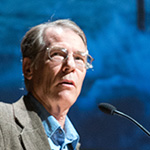
George R. R. Martin, author of the series “A Song of Ice and Fire,” adapted on HBO as “Game of Thrones,” will visit the University of California San Diego May 1 and 2 to help raise funds for the Clarion Science Fiction and Fantasy Writers’ Workshop. Martin is a former instructor for the oldest science fiction and fantasy writing program, which resides within the Arthur C. Clarke Center for Human Imagination. Considered the most prominent fantasy writer since J.R.R. Tolkien, Martin will engage in conversation about the craft of writing science fiction and fantasy with Kim Stanley Robinson, an esteemed science fiction writer and a UC San Diego Department of Literature alumnus. Their public discussion takes place Tuesday, May 2, 7 p.m., in the Price Center West Ballroom. Tickets are already sold out.
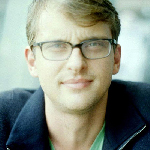
The Qualcomm Institute (QI) at UC San Diego is staging a new work, “Still”, on April 20. The multimedia performance work by Music Ph.D. student Kyle Johnson is part of QI’s Initiative for Digital Exploration of Arts and Sciences (IDEAS), a performing arts series now in its fourth season.
UC San Diego’s Office of Innovation and Commercialization (OIC) launched the Entrepreneurs-in-Residence (EIR) program in 2015 to accelerate the creation of new startup companies. The OIC, a Research Affairs unit, will honor the newly appointed 2017 EIR cohort and thank the 2016 cohort for their hard work with a reception, Apr. 17, at Bella Vista Social Club and Caffé in the Sanford Consortium.
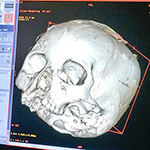
Various studies and analyses have revealed that the remains are those of a girl between 15 and 16 years old who lived almost 13,000 years ago in what is now Mexico’s Yucatan peninsula.
The Qualcomm Institute (QI) at UC San Diego has launched its fifth annual invitation to faculty and students to propose residencies culminating in performances or presentations of works and research in visual arts, music, theatre and dance, as well as technology disciplines. The Call for Proposals was published online April 10 on the website of QI’s Initiative for Digital Exploration of Arts and Sciences (IDEAS).
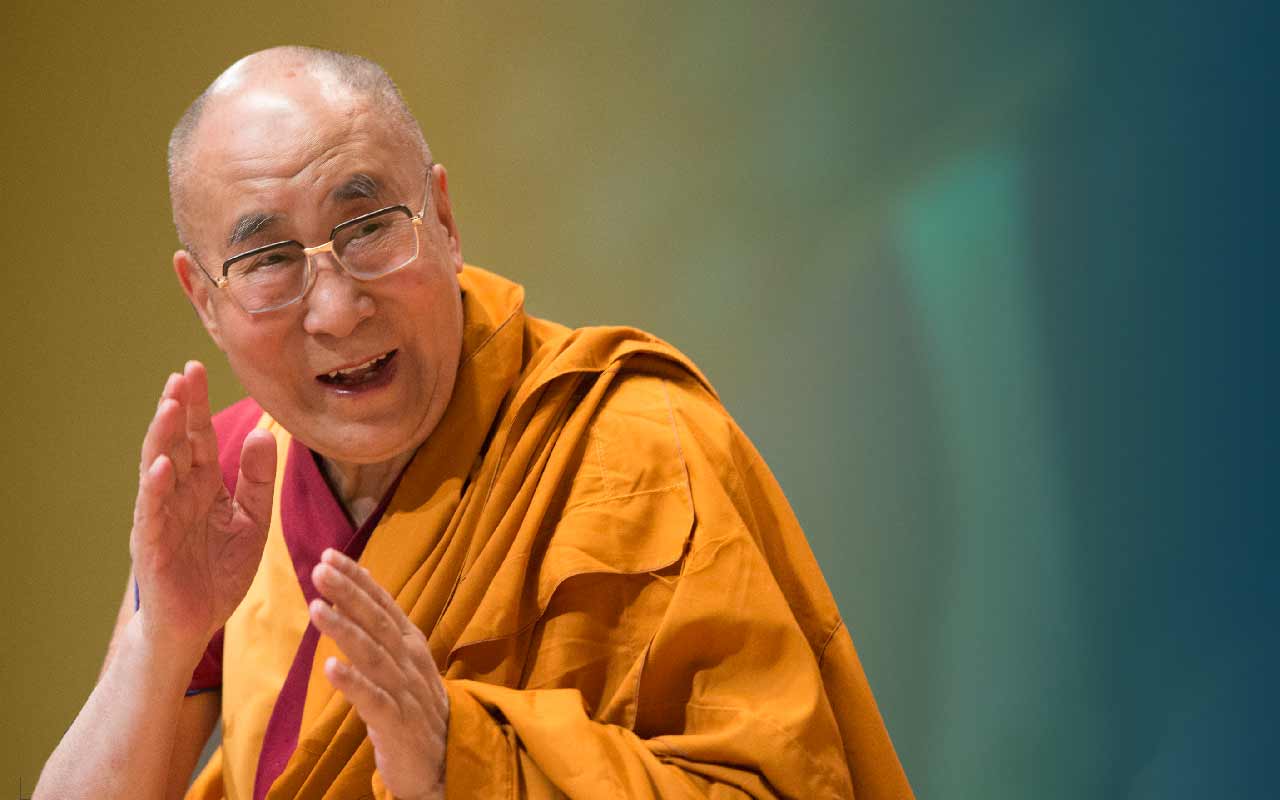
His Holiness the 14th Dalai Lama, Tenzin Gyatso, describes himself as a simple Buddhist monk. But to the world he is a renowned peace advocate, a beacon of hope for humanity, sharing inspirational messages with international audiences that range from young students to government leaders.