Using X-rays and neutron beams, a team of researchers from the University of California, San Diego School of Medicine, University of Utah and Oak Ridge National Laboratory have teased out new information about Protein Kinase A (PKA), a ubiquitous master switch that helps regulate fundamental cellular functions like energy consumption and interactions with hormones, neurotransmitters and drugs.
Two professors of psychiatry at University of California, San Diego School of Medicine have been honored by the New York City-based Brain & Behavior Research Foundation for their work studying the genetics, dysfunction and treatment of schizophrenia, a chronic and severe brain disorder affecting roughly 1 percent of the general population or approximately 3 million people.
Researchers at the University of California, San Diego School of Medicine have, for the first time, clearly defined the epidemiology of gastrointestinal stromal tumors (GIST), which occur primarily in the lining of the stomach and small intestine. One key finding: Patients of Asian descent, who have not previously been identified as an at-risk population, are 1.5 times more likely than other patient groups to be diagnosed with this type of tumor.
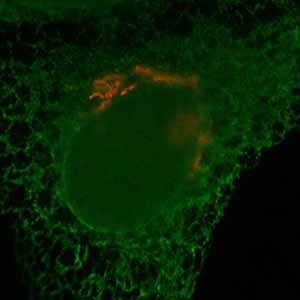
Researchers at the University of California, San Diego School of Medicine have identified a microRNA molecule as a surprisingly crucial player in managing cell survival and growth. The findings underscore the emerging recognition that non-coding RNAs help regulate basic cellular processes and may be key to developing new drugs and therapies.
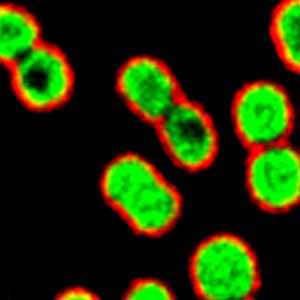
Researchers at University of California, San Diego School of Medicine have discovered that T-cells – a type of white blood cell that learns to recognize and attack microbial pathogens – are activated by a pain receptor.
Researchers at University of California, San Diego School of Medicine are co-recipients of a $4.1-million grant from the National Institutes of Health to advance treatments for type 1 diabetes. Using human stem cells, the team plans to culture bits of human pancreas in a dish and, using microfluidics, mimic blood flow through the islet.