People with moderate to severe obstructive sleep apnea may have an intrinsic inability to burn high amounts of oxygen during strenuous aerobic exercise according to a new study led by researchers at University of California, San Diego School of Medicine.
UC San Diego Health System is a world leader in chronic thromboembolic pulmonary hypertension (CTEPH), and now with a $7.6 million grant, has helped launch the first national CTEPH registry to improve best practices and patient care.
While investigating a rare genetic disorder, researchers at the University of California, San Diego School of Medicine have discovered that a ubiquitous signaling molecule is crucial to cellular reprogramming, a finding with significant implications for stem cell-based regenerative medicine, wound repair therapies and potential cancer treatments.
Researchers at the University of California, San Diego School of Medicine and Ludwig Cancer Research, with colleagues across the country and world, have discovered that a significant number of mouse genes do not in fact behave like their human counterparts, suggesting science will need to rethink at least some roles of the lab mouse as a model organism.
Triclosan is an antimicrobial commonly found in soaps, shampoos, toothpastes and many other household items. Despite its widespread use, researchers at University of California, San Diego School of Medicine report potentially serious consequences of long-term exposure to the chemical.
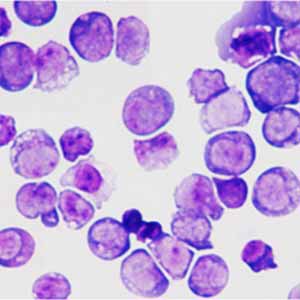
An antibody therapy already in clinical trials to treat chronic lymphocytic leukemia (CLL) may also prove effective against ovarian cancer – and likely other cancers as well, report researchers at the University of California, San Diego School of Medicine.