Gut Microbes Influence How Rat Brains React to Opioids
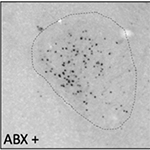
Antibiotic treatment — which depletes gut microbes — drastically changes the parts of a rat’s brain that are activated during opioid addiction and withdrawal.
Antibiotic treatment — which depletes gut microbes — drastically changes the parts of a rat’s brain that are activated during opioid addiction and withdrawal.
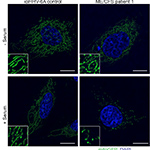
Researchers at UC San Diego School of Medicine and three German universities describe an underlying biological basis for myalgic encephalomyelitis/chronic fatigue syndrome, illustrating how efforts by the body to boost immune system protections can come at physiological cost elsewhere.
Researchers at University of California San Diego School of Medicine and Moores Cancer Center used CRISPR technology to identify key regulators of aggressive chronic myeloid leukemia.
UC San Diego researchers have ported the popular UniFrac microbiome tool to graphic processing units (GPUs) to increase the acceleration and accuracy of scientific discovery including urgently needed COVID-19 research.
Physicians and scientists at UC San Diego Health have launched a pair of serological tests that will look for novel coronavirus antibodies—evidence in persons tested that they have previously been infected by the viral cause of COVID-19, even if they never experienced tell-tale symptoms.
The National Institutes of Health has renewed its commitment to the Adolescent Brain Cognitive Development (ABCD) Study, the largest long-term study of brain development and child health ever conducted in the United States. The awards to UC San Diego total just over $60 million.
The New York Times, June 29
The San Diego Union-Tribune, June 28
The San Diego Union-Tribune, June 24
Keep up with all the latest from UC San Diego. Subscribe to the newsletter today.