Turning Data Into Discovery In Cancer Genomics
Redefining leadership in science through innovation, access and data-driven discovery
Story by:
Published Date
Article Content
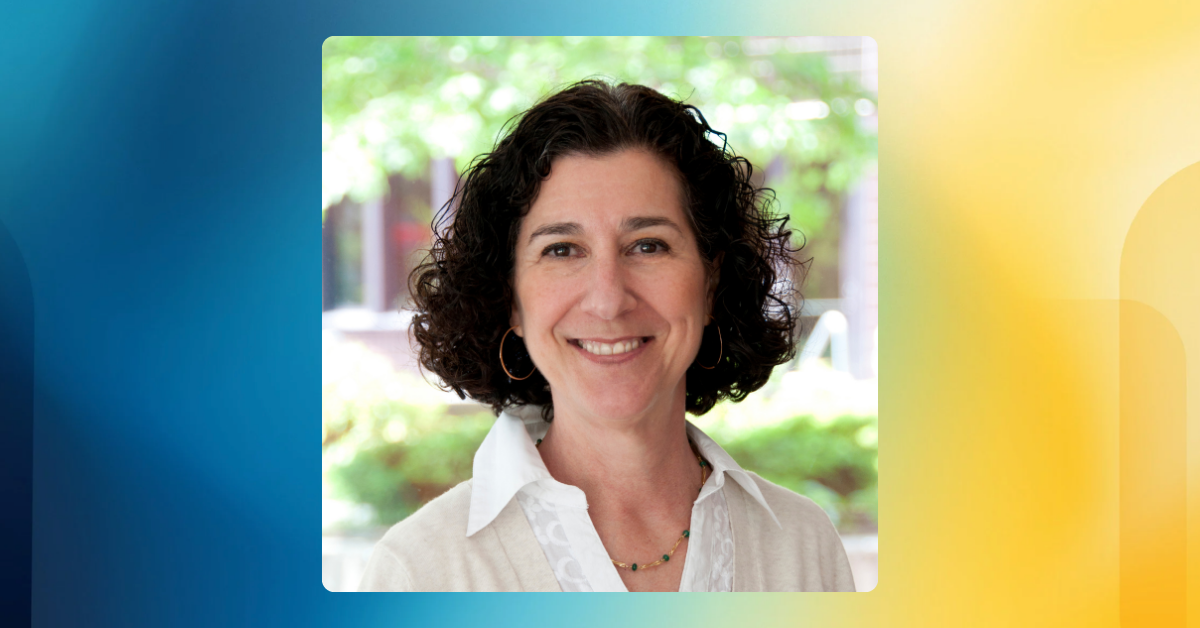
Jill Mesirov, PhD, has spent her career advancing the field of computational cancer genomics, contributing work that has fundamentally influenced how cancer data are analyzed and understood. As co-lead of the Moores Cancer Center’s Structural and Functional Genomics Program, she stands out not only for her scientific vision, but also for establishing herself in a field that had limited representation of women at the time, helping encourage the next generation to pursue this work.
A mathematician by training, Mesirov’s path into cancer research was anything but traditional, and that divergence has become her strength. Armed with a PhD in mathematics from Brandeis University and early experience in high-performance computing, she entered biomedical research just as genomics was emerging as a transformative force. At the Broad Institute of Massachusetts Institute of Technology (MIT) and Harvard, she helped shape the modern era of computational biology, serving as associate director and chief informatics officer while leading the Computational Biology and Bioinformatics Program. Her pioneering work there yielded platforms such as GenePattern, Gene Set Enrichment Analysis (GSEA), and Integrative Genomics Viewer (IGV) that opened the door for scientists worldwide to analyze genomic data without needing advanced programming skills. Today, more than a million users across more than 100 countries rely on her software to accelerate discoveries in cancer biology and beyond.
When Mesirov joined UC San Diego in 2015, she brought with her a belief that groundbreaking science must also be accessible. At Moores Cancer Center, her lab integrates machine-learning methods with functional genomics to unravel the biological mechanisms of tumor subtypes, predict treatment response, and identify promising therapeutic targets. She also serves on the pediatric neuro-oncology tumor board at Rady Children's Hospital, where her team’s methods help match children with brain and spinal cord tumors to more effective, genomically informed therapies.
This year, Mesirov and her lab continue to push computational oncology forward. Their latest efforts blend genomic, imaging and clinical data into next-generation algorithms that could improve early cancer detection and better match patients to clinical trials. True to her ethos, these tools are being developed as open-access resources that democratize the benefits of precision oncology for scientists and clinicians everywhere, regardless of institutional resources.
Beyond her technical achievements, Mesirov’s career is a powerful reminder that science advances when it welcomes a diversity of expertise and experience. A mathematician making discoveries in cancer genomics, a computer scientist shaping biomedical innovation, and a leader whose trajectory defies conventional pathways, she has redefined what leadership in Science, Technology, Engineering, and Mathematics (STEM) can look like.
For young women entering science, Mesirov offers an enduring example. Impact does not require fitting a mold. It can come from crossing disciplines, challenging norms, and building tools that empower others to make discoveries of their own. Her legacy at Moores Cancer Center and across the global scientific community demonstrates that innovation thrives when all voices have the opportunity to lead.
“Jill’s impact on cancer genomics cannot be overstated. Combining her creativity and innovation with her deep understanding of mathematics and biology, Jill wrote the early analytical programs that have been used millions of times by the cancer research community to analyze and understand genomic data. She has continued to advance analytical capabilities as the field has expanded beyond cancer genomics. Importantly, Jill has always made her software and data resources openly available to the community. Besides being an outstanding scientist, Jill is a wonderful colleague and mentor who is passionate about supporting the development of the next generation of computational cancer biologists.”
- Dinah Singer, PhD, Deputy Director For Scientific Strategy and Development, National Cancer Institute
Read the rest of the Moores Cancer Center FY25 Annual Report here!
Share This:




Stay in the Know
Keep up with all the latest from UC San Diego. Subscribe to the newsletter today.
