Regeneration and Resilience: How Global Collaboration Advances Stem Cell Science
Published Date
Story by:
Media contact:
Topics covered:
Share This:
Article Content
A recent stem cell workshop at UC San Diego set out to do something many scientific meetings do not: move beyond presenting results and intentionally build the relationships that fuel future discoveries. The Hertzberg-Schechter Stem Cell Workshop brought together researchers and trainees from UC San Diego and Israel’s Weizmann Institute of Science, with a program designed to turn shared scientific questions into shared plans.
Held in the fall at Duane Roth Auditorium at the UC San Diego Sanford Stem Cell Institute (SSCI), the workshop convened faculty, early-career researchers and trainees from SSCI’s Discovery Center and the Weizmann Institute to explore advances in stem cell biology, cancer and aging.
The timing of the meeting was intentional. As biomedical research grows more complex and funding environments tighten worldwide, progress increasingly depends on collaboration rather than competition. Bringing scientists together early — before ideas harden into separate paths — can shorten the distance between basic discovery and real-world impact, especially in fields like cancer, aging and regenerative medicine where no single lab or institution has all the answers. More than a scientific exchange, the event showed how international collaboration can speed progress by bringing together complementary expertise.
The impact of the meeting extended beyond the presentations. Researchers identified projects that could move forward through collaboration, while trainees made new connections with mentors and potential collaborators outside their home labs. The workshop was also open to the broader community, offering a clear view of how stem cell research works in practice, the questions scientists are asking and why the answers matter for disease, aging and tissue repair.
That kind of visibility is important. Science does not move forward on data alone; it also depends on trust, public understanding and long-term philanthropic support. When communities can see where research is headed — and how collaboration helps ideas move faster — it becomes easier to sustain the patience and investment biomedical progress requires.
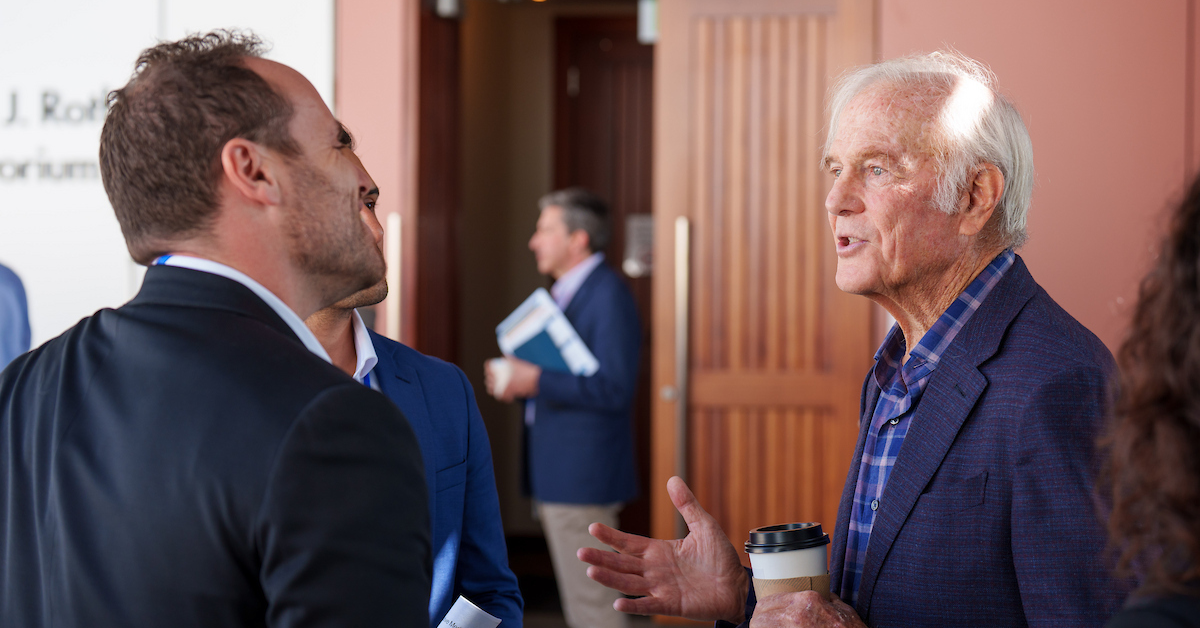
The workshop, titled Regeneration and Resilience: Stem Cells in Cancer and Aging, highlighted how scientific partnerships can cross national and political boundaries. In opening remarks, Robert Signer, PhD, associate professor of medicine and deputy director of the Sanford Stem Cell Discovery Center, emphasized a shared responsibility among scientists. “Even as the world feels divided,” Signer said, “science and medicine transcend politics. The work we do to understand stem cells, regenerate tissues and treat disease speaks to something universal — the preservation of human life and dignity.”
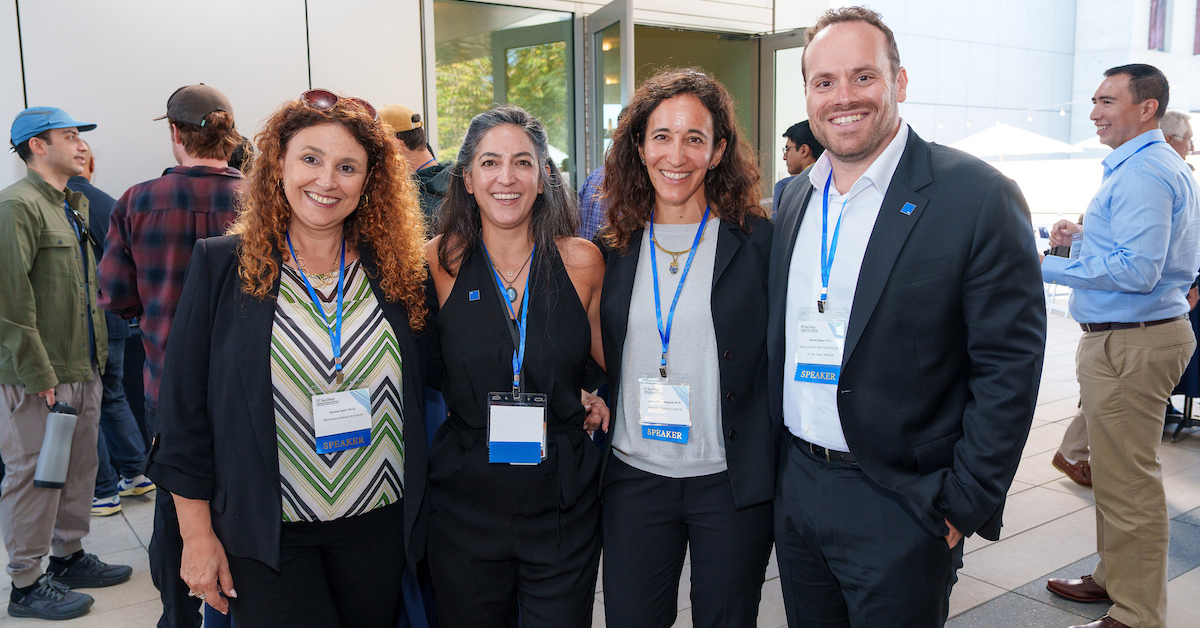
(Robert Signer and event guests)
Presentations paired senior faculty from both institutions with emerging investigators, creating a mix of established expertise and fresh ideas. The workshop was co-hosted by Signer and Shiri Gur-Cohen, PhD, assistant professor of medicine and head of research at the Sanford Stem Cell Discovery Center, and featured leading scientists from the Weizmann Institute, including Karina Yaniv, PhD, and Ruth Scherz-Shouval, PhD.
For Gur-Cohen, a Weizmann alumna, the event was also personal. “Many of the leading stem cell researchers at Weizmann were my mentors, collaborators or colleagues over the years,” she said. “Strengthening these international ties helps science move faster, creates opportunities for trainees and connects our community to new ideas.”
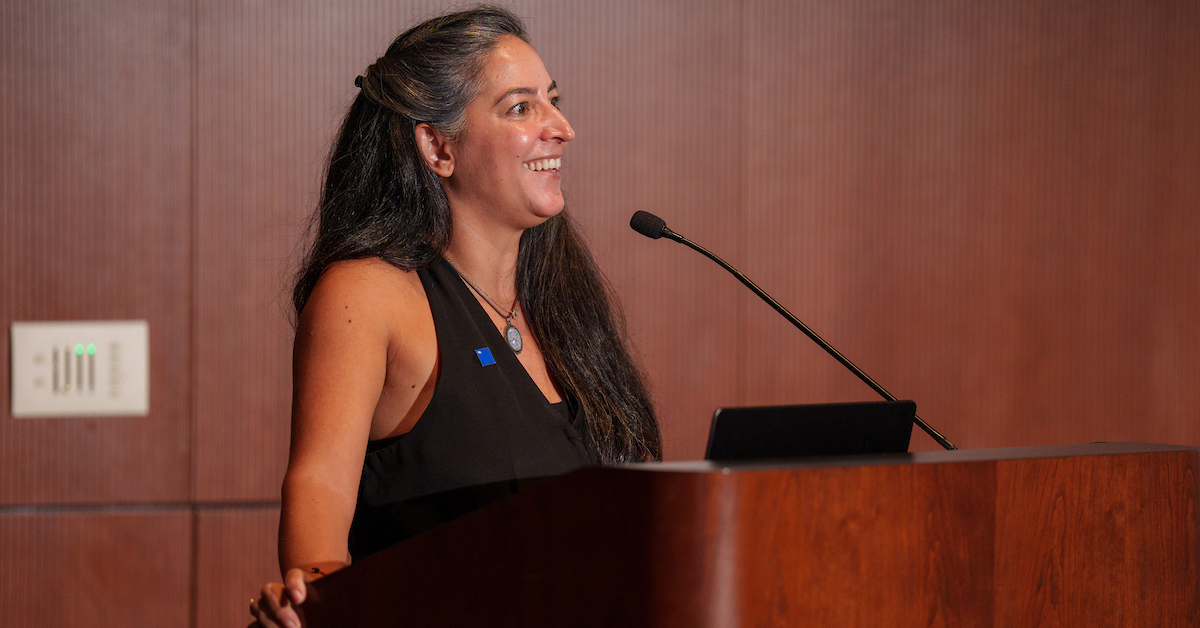
(Shiri Gur-Cohen)
The program was organized into two main sessions. The first, Stem Cell Dynamics Across Systems and Time, focused on how stem cells function across different tissues and throughout the human lifespan. Signer discussed research on blood-forming stem cells and their role in health and longevity. Yaniv described how blood and lymphatic vessels interact throughout the body, noting that the cardiovascular system plays a role in nearly all diseases, including cancer and neurodegenerative disorders.
The second session, Microenvironmental Drivers of Regeneration and Cancer, examined how surrounding tissues influence stem cells and disease progression. Scherz-Shouval presented work on the tumor microenvironment, describing tumors as complex ecosystems in which cancer cells interact with surrounding noncancerous cells. Gur-Cohen discussed research on cancer-initiating stem cells, focusing on how tumors co-opt the vascular system to fuel tumor initiation and unleash metastatic progression. This perspective points to new treatment strategies that target not only cancer cells but also the environments that support them.
A panel discussion moderated by Zea Borok, MD, professor and chair of the Department of Medicine at UC San Diego School of Medicine, brought the themes of the day together. Panelists emphasized that collaboration allows scientists to draw on specialized expertise without having to master every discipline themselves. Such partnerships, they said, are essential for tackling today’s most complex biomedical problems. In closing remarks, Catriona Jamieson, MD, PhD, director of SSCI, described the workshop as “a free-flowing think tank for creative science that will have an impact for decades to come.”
The workshop was made possible through the support of philanthropists Dick and Carol Hertzberg, whose vision helped establish the partnership. At 79, Dick Hertzberg spoke with humor about his personal stake in the research, saying he hopes stem cell science might help him reach a “target age” of 135. He also reflected more broadly that “science is one of the great collaborative efforts of humankind. It brings people from different parts of the world together to work toward shared goals.”
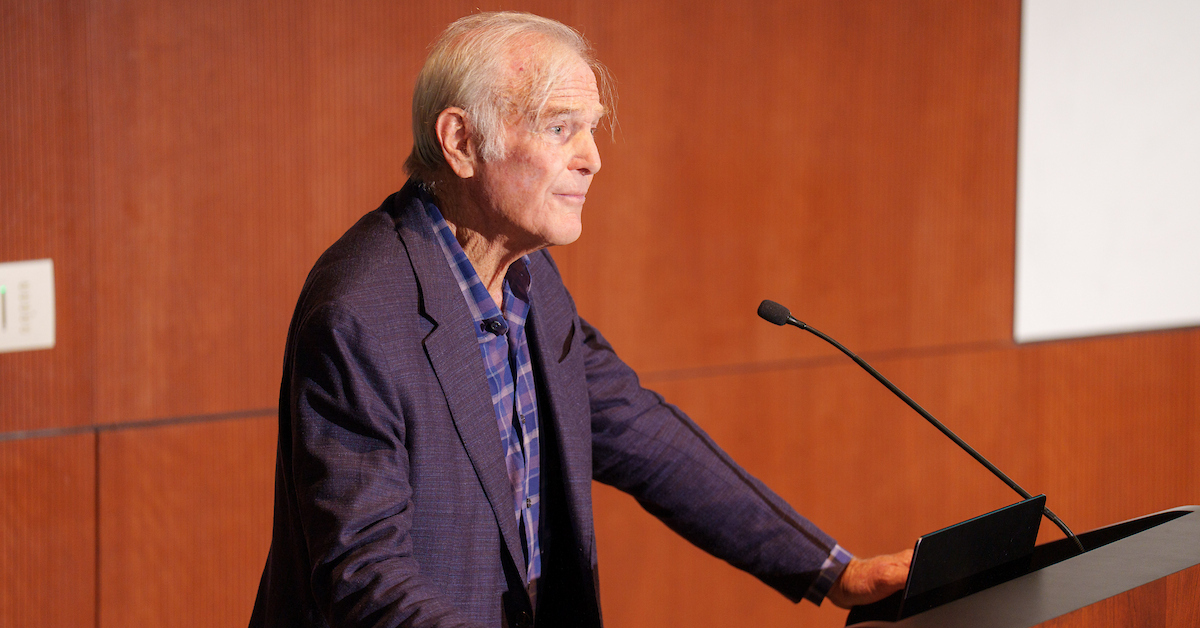
(Dick Hertzberg)
Additional support from the Leichtag Foundation and Combat Antisemitism Now helped bring visiting scientists from the Weizmann Institute to San Diego, supported trainee presentations and expanded community attendance at the event
Organizers Signer and Gur-Cohen plan to continue the partnership with the Weizmann Institute and hope to alternate hosting future workshops, with the next meeting planned for Israel. Science moves fastest when ideas are shared openly. International collaborations help avoid duplication, speed progress and make it easier for promising discoveries to spread. When research is visible, communities can better understand what is being built, what remains uncertain and how new knowledge may shape health and longevity. That openness — and the collaborative spirit behind it — is how trust is built and progress moves forward.
Topics covered:
Share This:
You May Also Like



Stay in the Know
Keep up with all the latest from UC San Diego. Subscribe to the newsletter today.
